How to Curb Your Spending Habits: Lessons from a Hospital District
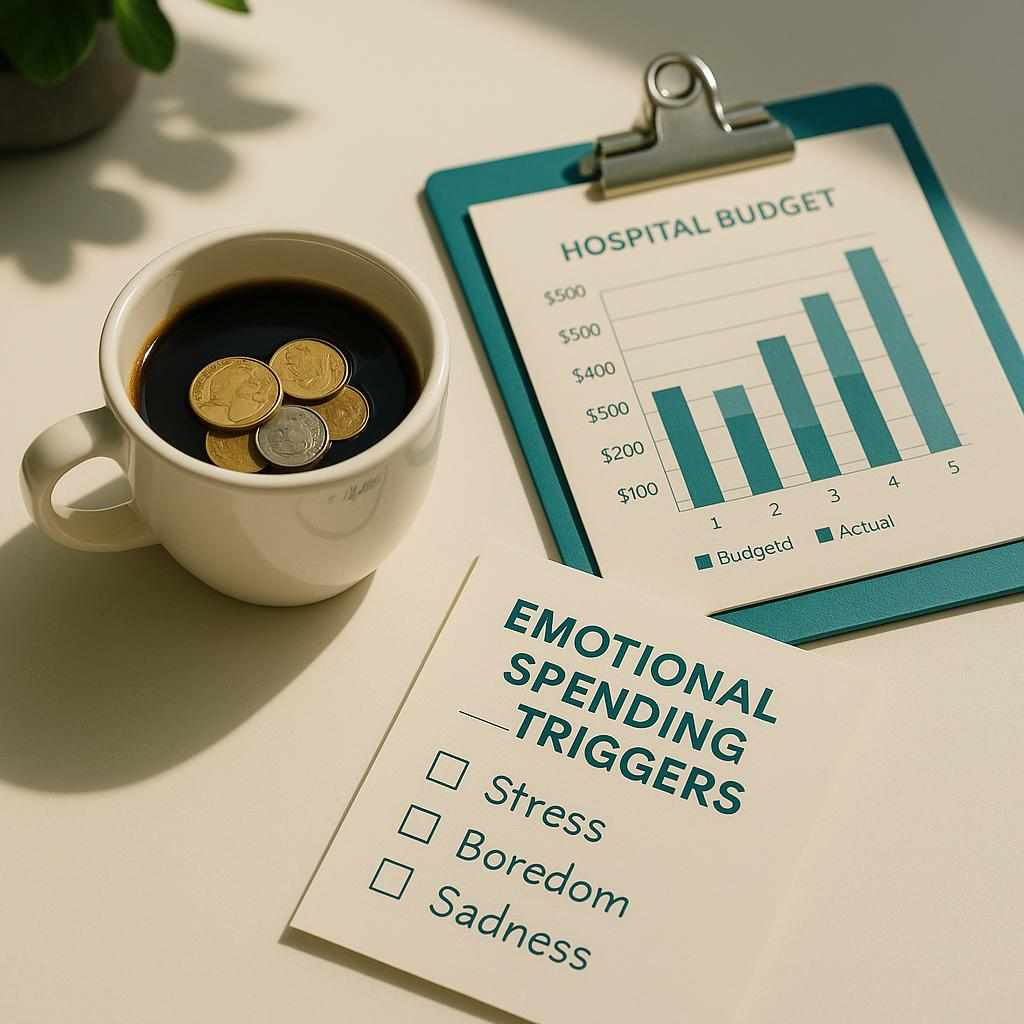
Picture this: a hospital district struggles to reduce its spending, despite knowing the stakes. This scenario feels familiar to many of us. Whether it's an unexpected bill or the allure of a new gadget, spending can spiral out of control. The hospital's challenge is a reminder that cutting back isn't just about numbers; it's about habits and choices. The pressure to maintain certain standards, whether in healthcare or personal life, often leads to overspending.
Why is it so hard to cut back on spending?
Spending money is often tied to emotions and habits. Just like the hospital district might feel pressure to maintain services, you might feel the urge to keep up with social expectations or indulge in retail therapy. Recognizing these emotional triggers is the first step to gaining control. For instance, the desire to reward oneself after a stressful day can lead to unnecessary purchases, much like a hospital might justify extra expenses to ensure patient satisfaction.
The key is to start small. Identify one area where you can make a change and focus on it. This could be as simple as making coffee at home instead of buying it daily. Gradually, these small changes can lead to significant savings. Much like how a hospital might start by renegotiating supply contracts to save costs, you can begin by cutting down on your daily expenditures. Over time, these small adjustments accumulate into substantial financial relief.
How can I identify my spending triggers?
Understanding what prompts you to spend is crucial. Just like the hospital district might be influenced by external demands, your spending can be triggered by various factors. It could be stress, boredom, or even a sense of reward after a long week. These triggers are often deeply personal and can vary widely from person to person.
Start by keeping a simple log of your expenses. Note down not just what you bought, but also how you felt at the time. This can reveal patterns and help you pinpoint specific triggers. For instance, if you notice that you tend to shop online late at night when you're tired, that's a trigger to address. Similarly, if you find yourself spending more when you're with certain friends, it might be time to reconsider those outings.
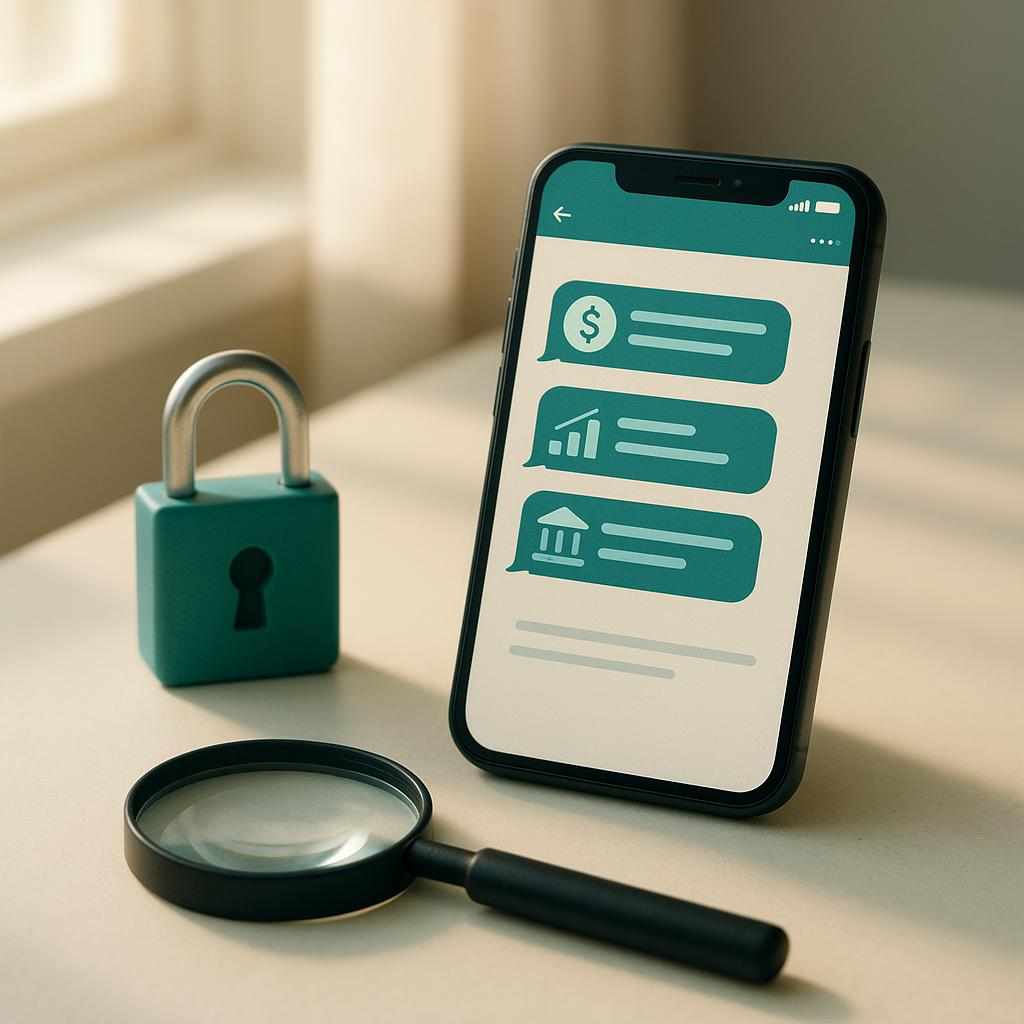
With tools like POQT, you can log these insights directly via WhatsApp, making it easy to track your spending habits and emotions in real-time. This awareness is the first step to making more mindful financial decisions. By understanding your emotional landscape, you can start to anticipate and mitigate these triggers before they lead to unnecessary spending.
What steps can I take to manage my budget effectively?
Managing a budget effectively is about more than just cutting expenses. It's about creating a realistic plan that aligns with your goals and lifestyle. Start by setting clear financial goals, whether it's saving for a trip, paying off debt, or building an emergency fund. These goals provide a framework that guides your spending decisions and helps you prioritize.
Once you have your goals, break them down into actionable steps. Allocate a portion of your income to each goal and track your progress regularly. This can help you stay motivated and adjust your plan as needed. For example, if your goal is to save $5,000 in a year, calculate how much you need to set aside each month and monitor your savings to ensure you're on track.
Remember, flexibility is key. Just like the hospital district may need to adjust its budget based on changing needs, you should be prepared to adapt your budget as your circumstances change. Life is unpredictable, and your budget should be a living document that evolves with your needs. If an unexpected expense arises, reassess your priorities and make adjustments without guilt.
What should I track to improve my spending habits?
By focusing on these areas, you can gain a clearer picture of your financial habits. This insight will empower you to make adjustments and prioritize what truly matters. Tracking your spending is not just about numbers; it's about understanding your financial behavior and making informed decisions.
- Daily Expenses: Keep a record of your daily spending to spot patterns and unnecessary purchases. This helps you identify areas where you can cut back without feeling deprived.
- Emotional Spending: Note down purchases made due to emotional triggers to understand their impact. Recognizing these patterns can help you find healthier ways to cope with emotions.
- Recurring Bills: Monitor regular expenses like subscriptions to see if they align with your needs. Often, we forget about services we no longer use, and trimming these can free up funds for more important goals.
- Savings Progress: Track contributions to savings goals to stay motivated and adjust as necessary. Seeing your savings grow can be a powerful motivator to stick to your budget.
- Impulse Purchases: Identify and reduce impulse buys by noting when and why they occur. Understanding the context of these purchases can help you develop strategies to avoid them in the future.
How can I stay motivated to stick to my budget?
Staying motivated is often the hardest part of sticking to a budget. Like the hospital district facing ongoing challenges, you're likely to encounter setbacks. The key is to keep your goals front and center. Remind yourself why you started this journey and what you hope to achieve.
Visual reminders can be powerful. Create a vision board or use a budgeting app to visualize your progress. Celebrate small victories along the way to keep your spirits up. For example, if you manage to save an extra $100 this month, treat yourself to a small reward that doesn't break the bank.
Surround yourself with support. Share your goals with friends or family who can encourage you and hold you accountable. Remember, every step you take brings you closer to financial stability and peace of mind. Having a community that understands your goals can make a significant difference in your journey. Whether it's a friend who checks in on your progress or a family member who shares budgeting tips, support can help you stay the course.
Track expenses in seconds on WhatsApp
POQT automatically categorizes everything for you.
Start on WhatsApp
No app to download. Text, voice note, or receipt photo, money tracking where you already chat.
Try POQT free