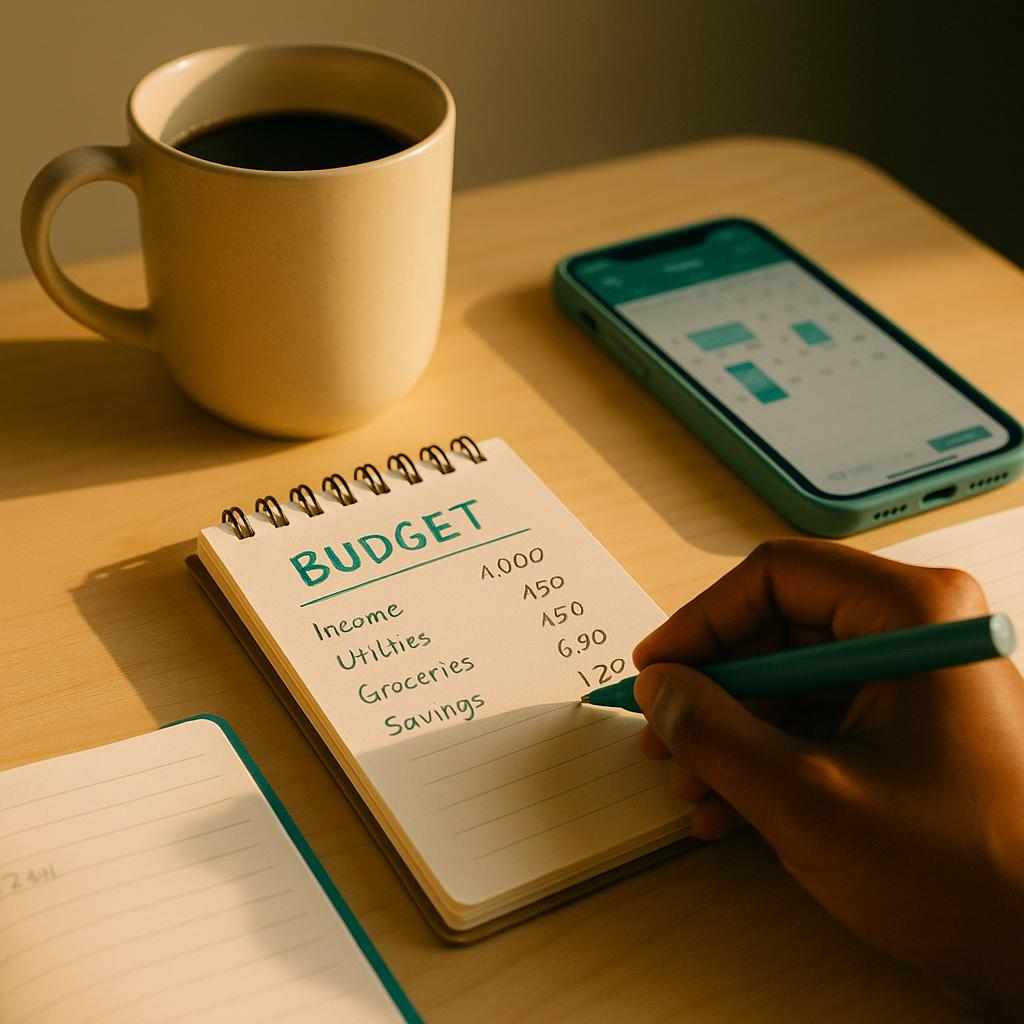
As dawn breaks and the world begins to stir, you find yourself cradling a warm cup of coffee, a moment of peace before the rush of the day. This is your opportunity to set a positive financial tone. Begin by reviewing your budget, a practice that grounds you in your financial reality. It's not just about numbers but about framing your day with intention, aligning your mindset with your financial goals. This morning ritual can be as calming as it is empowering, setting you up for a day where financial decisions are made with clarity and purpose.
Morning: Setting the Financial Tone
Establishing a daily spending goal can be a game-changer. Think of it as a flexible guideline rather than a rigid rule. This goal acts as a gentle compass, steering you away from impulsive purchases that might derail your financial plans. Whether you're saving for a dream holiday or chipping away at debt, these small daily decisions add up to significant progress over time.
To keep things seamless, consider integrating a quick method for logging expenses as they happen. Instead of letting receipts pile up or relying on memory, use a voice note on WhatsApp to capture the cost of your morning coffee or the fare for your commute. This real-time logging not only keeps your financial records accurate but also helps you address any discrepancies immediately. Over time, this habit becomes second nature, streamlining your financial management and reducing stress.
Midday: Mindful Money Choices
As the sun reaches its zenith and your stomach signals it's lunchtime, take this moment to reflect on your financial choices so far. Whether you're dining at a quaint café or enjoying a packed lunch, consider how this expense fits into your daily budget. These mindful decisions, seemingly small, play a crucial role in reinforcing your financial discipline and ensuring you stay on track with your goals.
When faced with the allure of a spontaneous sale or a colleague's invitation to a pricier lunch spot, pause. Ask yourself if this expense aligns with your financial priorities. Is it necessary? Will it impact your ability to meet your goals? By taking a moment to weigh these questions, you empower yourself to make informed decisions that support your financial well-being.
To avoid any unwelcome surprises later, make it a habit to log these midday transactions promptly. A quick message to yourself on WhatsApp can ensure these expenses are accounted for, maintaining a clear picture of your financial standing. This practice is a safeguard against overlooking small expenditures that can quietly accumulate, impacting your budget more than anticipated.
Evening: Review and Reflect
As twilight descends, signaling the end of another day, take a few minutes to review your spending. This doesn't have to be an exhaustive process, but a simple check-in to compare your actual spending against the budget you set in the morning. This reflection is not just about numbers; it's about understanding your spending habits and identifying areas for improvement.
Analyzing your spending patterns can reveal insights that help you adjust future budgets. Perhaps you notice you've consistently spent more on dining out than planned or encountered unexpected expenses that need addressing. Recognizing these trends allows you to tweak your approach, improving your financial decision-making over time.
Use this time to plan for tomorrow. By anticipating potential expenses and setting financial goals for the next day, you reduce stress and create a roadmap that guides your spending decisions. This proactive approach ensures that you're not only reacting to financial needs but actively shaping your financial future.
Night: Prepare for Financial Success
As night falls and you prepare to unwind, take a moment to set up automatic alerts for your financial accounts. These alerts can notify you of low balances, upcoming bills, or unusual activity, keeping you informed and prepared for any financial surprises that might arise.
Reflect on your financial goals as you wind down. Whether you're saving for a new experience, a coveted gadget, or simply building an emergency fund, keeping these goals in mind can motivate you to sustain good financial habits. Visualizing your goals reinforces your commitment, acting as a beacon that guides your daily decisions.
If you've yet to log all your expenses for the day, now is the perfect time to do so. A quick voice memo or a photo of your receipts on WhatsApp ensures everything is accounted for. This end-of-day routine not only maintains accurate records but also provides peace of mind as you close out the day, knowing you're in control of your financial journey.
Adjusting to Life's Unpredictability
Life rarely follows a perfect script, and not every day will fit neatly into a structured routine. If your schedule is more chaotic or unpredictable, flexibility becomes your greatest ally. Here are a few ways to adapt these financial habits to suit your unique lifestyle.
- Use moments of downtime, such as waiting in line or during commutes, to log expenses or review your budget.
- Set reminders on your phone for quick financial check-ins throughout the day.
- Batch your expense logging by setting aside specific times twice a week if daily tracking isn’t feasible.
- If you share finances with a partner or family member, consider dividing logging duties to lighten the load.
- Focus on one financial goal each day to keep your tasks manageable and less overwhelming.
Track expenses in seconds on WhatsApp
POQT automatically categorizes everything for you.
Start on WhatsApp
No app to download. Text, voice note, or receipt photo, money tracking where you already chat.
Try POQT free