Debunking Money Myths: The Truth About Financial Literacy
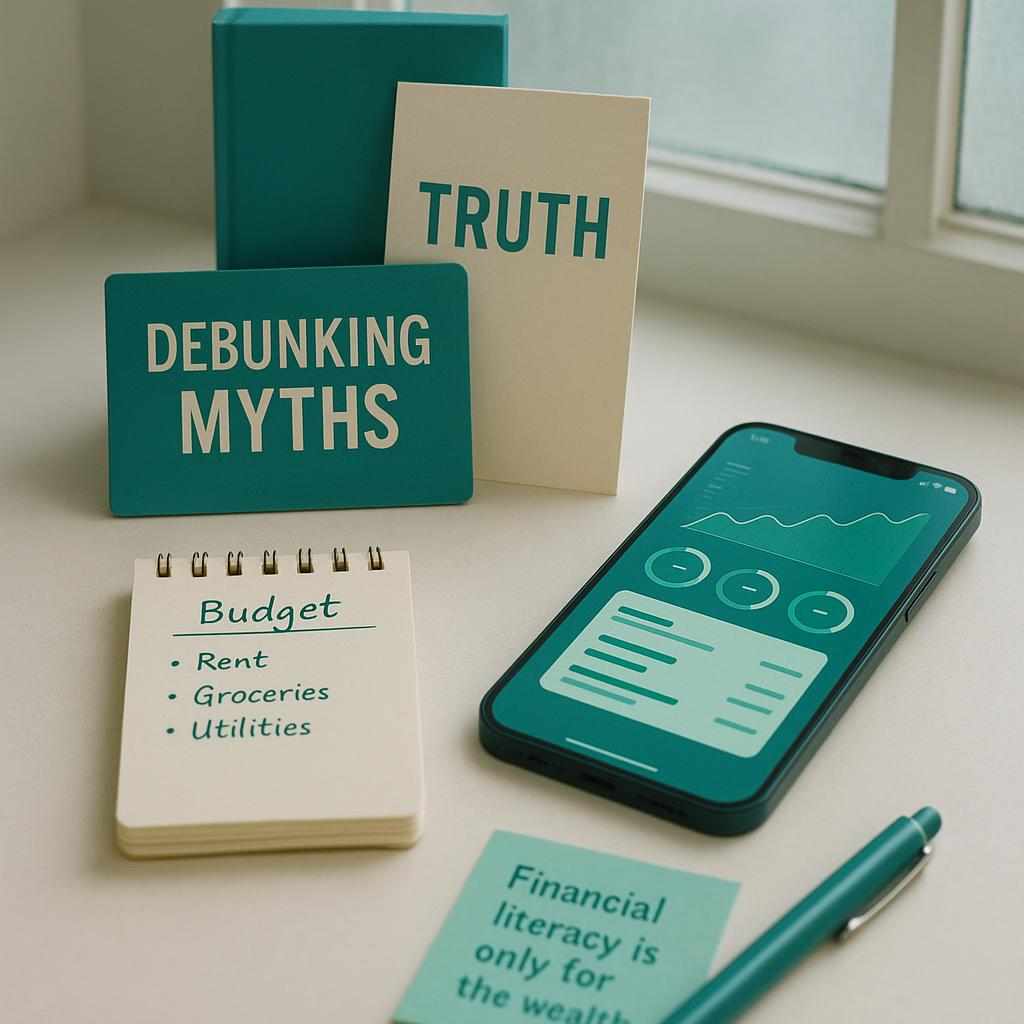
Ever heard someone say that financial literacy is just for those with deep pockets? It's a common misconception that budgeting and financial planning are only necessary for the wealthy. This myth suggests that if you're not rolling in cash, there's no need to worry about financial literacy. The idea is that with limited financial resources, there's no point in spending time learning about money management.
Myth
Financial literacy is only for the wealthy.
In reality, understanding your finances is crucial, no matter your income level. Financial literacy is about making informed decisions with the money you have, whether you're managing a small salary or a large one. Everyone deserves to feel secure and confident in their financial choices. In fact, those with limited resources can benefit the most from understanding how to stretch their dollars further. Financial literacy is not about the amount of money you have, but about maximizing its potential.
Truth
Financial literacy empowers everyone.
Recent news highlights a push for mandatory financial literacy education. This isn't just for the elite; it's for everyone. Understanding how to budget, save, and manage debt can transform lives. When you know where your money is going, you're more likely to achieve your financial goals. Financial education provides the tools to make better choices, regardless of your starting point.
Financial literacy helps people avoid common pitfalls like overspending or falling into debt. By learning to track expenses, set realistic budgets, and plan for the future, anyone can take control of their financial destiny. Tools like WhatsApp-native assistants make it easier than ever to keep tabs on your cash flow in a way that fits your life. Imagine being able to quickly check your spending against your budget while waiting in line at the grocery store or during a coffee break. This accessibility is empowering because it integrates financial management into everyday life.
Moreover, financial literacy is a lifelong skill. As your income and expenses evolve, so too can your financial strategies. By starting with basic concepts and gradually expanding your knowledge, you can adapt to life's changes with confidence. Whether it's planning for a vacation, saving for a new gadget, or preparing for retirement, financial literacy provides the foundation to make these dreams a reality.
Myth
Budgeting is too restrictive.
Budgeting often gets a bad rap as being too limiting. Some people think it means cutting out all the fun stuff and living a life of deprivation. This myth can make budgeting seem like a punishment rather than a pathway to financial freedom. It conjures images of denying yourself simple pleasures and constantly saying no to social events or small indulgences.
However, this view misses the point of budgeting entirely. The truth is, budgeting is about prioritizing what's important to you. It's not about saying no to everything but rather making sure your spending aligns with your values and goals. A well-crafted budget allows for flexibility and can include funds for enjoyment and spontaneity. It’s about making deliberate choices that reflect what truly matters to you, whether that’s saving for a future goal or enjoying a night out with friends.
Truth
Budgeting offers freedom and control.
When done correctly, budgeting isn't restrictive; it's liberating. It provides a clear picture of your financial situation and helps you make informed decisions. By setting aside money for both essentials and fun, you can enjoy life without financial anxiety. Imagine knowing that your bills are covered and you still have money left over for a dinner date or a weekend getaway. That’s the kind of freedom budgeting can bring.
With tools like POQT, you can log expenses on the go, ensuring you stay on track without the hassle of traditional budgeting methods. This approach allows you to adapt your budget as your circumstances change, providing both stability and flexibility. For instance, if you receive a bonus at work or an unexpected bill, you can adjust your budget to accommodate these changes without stress.
Moreover, budgeting helps build a cushion for the unexpected. By consistently setting aside a portion of your income, you create a safety net that can cover emergencies without derailing your financial plans. This sense of security is invaluable and allows you to focus on enjoying life rather than worrying about money.
Myth
Only experts can manage money effectively.
Many people believe that you need to be a financial expert to manage money well. This myth can discourage individuals from taking charge of their finances, thinking they lack the necessary skills or knowledge. It creates a barrier that makes money management seem exclusive and out of reach for the average person.
In truth, effective money management is accessible to everyone. It's about developing good habits and using the right tools to stay organized. You don't need a finance degree to understand basic principles like spending less than you earn or saving for emergencies. These are foundational concepts that anyone can grasp and apply to their own financial situation.
Moreover, technology has made it easier than ever to manage finances without expert knowledge. Apps and online tools provide guidance and simplify the process, allowing you to track spending, set goals, and monitor progress with ease. This democratization of financial tools means that anyone, regardless of their background, can take control of their financial future.
Truth
Simple habits can lead to financial success.
Managing money effectively starts with simple habits. Consistently tracking expenses, setting achievable goals, and regularly reviewing your budget can make a significant difference. These habits are like building blocks that, over time, create a solid financial foundation.
Consider these points to improve your financial habits:
Start small: Begin with tracking a few expenses to understand your spending patterns. This can be as simple as noting down your daily coffee purchase or weekly grocery bill.
Use technology: Utilize tools that fit your lifestyle, like WhatsApp-native assistants, to simplify the process. These tools can provide reminders, generate reports, and offer insights into your spending habits.
Stay informed: Keep learning about personal finance to make smarter decisions. Whether it's reading a finance blog, attending a webinar, or discussing money matters with friends, staying informed helps you adapt and grow your financial knowledge.
By incorporating these habits into your daily routine, you can gradually build the skills needed for long-term financial success. Remember, financial literacy is a journey, not a destination. With each step, you move closer to achieving your goals and gaining confidence in your financial decisions.
Track expenses in seconds on WhatsApp
POQT automatically categorizes everything for you.
Start on WhatsApp
No app to download. Text, voice note, or receipt photo, money tracking where you already chat.
Try POQT free

