Managing Financial Anxiety While Living Paycheck to Paycheck

Sitting in a cozy corner of her favorite coffee shop, Lisa stared at her bank app on her phone. Payday was just two days away, but her anxiety was already brewing like the espresso in front of her. She knew she wasn't alone. A recent survey highlighted that fewer people are living paycheck to paycheck, yet financial anxiety remains alarmingly high.
A Coffee Shop Conversation
Lisa wondered how she could feel so stressed despite the supposed improvement. Her friend Jake, sipping his latte across the table, nodded in agreement. 'It's like we're always waiting for the next shoe to drop,' he said. They both chuckled, but the truth was, the anxiety was no joke.
Their conversation drifted to the small victories and setbacks they experienced each month. Lisa had managed to save a little last month, but an unexpected car repair had wiped it out. Jake had just started a side gig to make ends meet, but the irregular income added another layer of unpredictability. These shared experiences underscored the persistent nature of financial anxiety, even amid efforts to improve their situations.
Why Financial Anxiety Persists
So, why does financial anxiety remain high even as fewer people live paycheck to paycheck? The Debt.com survey reveals a complex picture. While some have managed to escape the cycle, many face new challenges like rising living costs and economic uncertainty. These factors create a perfect storm for anxiety, even if the paycheck-to-paycheck numbers are down.
For those still in the cycle, the pressure of unexpected expenses or emergencies can feel overwhelming. It's the unpredictability of life that fuels anxiety. The fear of not having enough to cover an unexpected medical bill or car repair keeps many up at night.
Moreover, societal pressures and comparisons add to the stress. Seeing others seemingly thrive financially on social media can make personal struggles feel even more significant. This comparison trap is a silent contributor to financial anxiety. The curated images of vacations, new cars, and home renovations can distort the perception of financial success, leading to feelings of inadequacy.
Understanding these dynamics is crucial. Recognizing that anxiety is not solely about income but also about perception and preparation can help in managing it effectively. It's about acknowledging the emotional side of money management and finding ways to address it beyond just the numbers.
The Role of Technology in Managing Anxiety
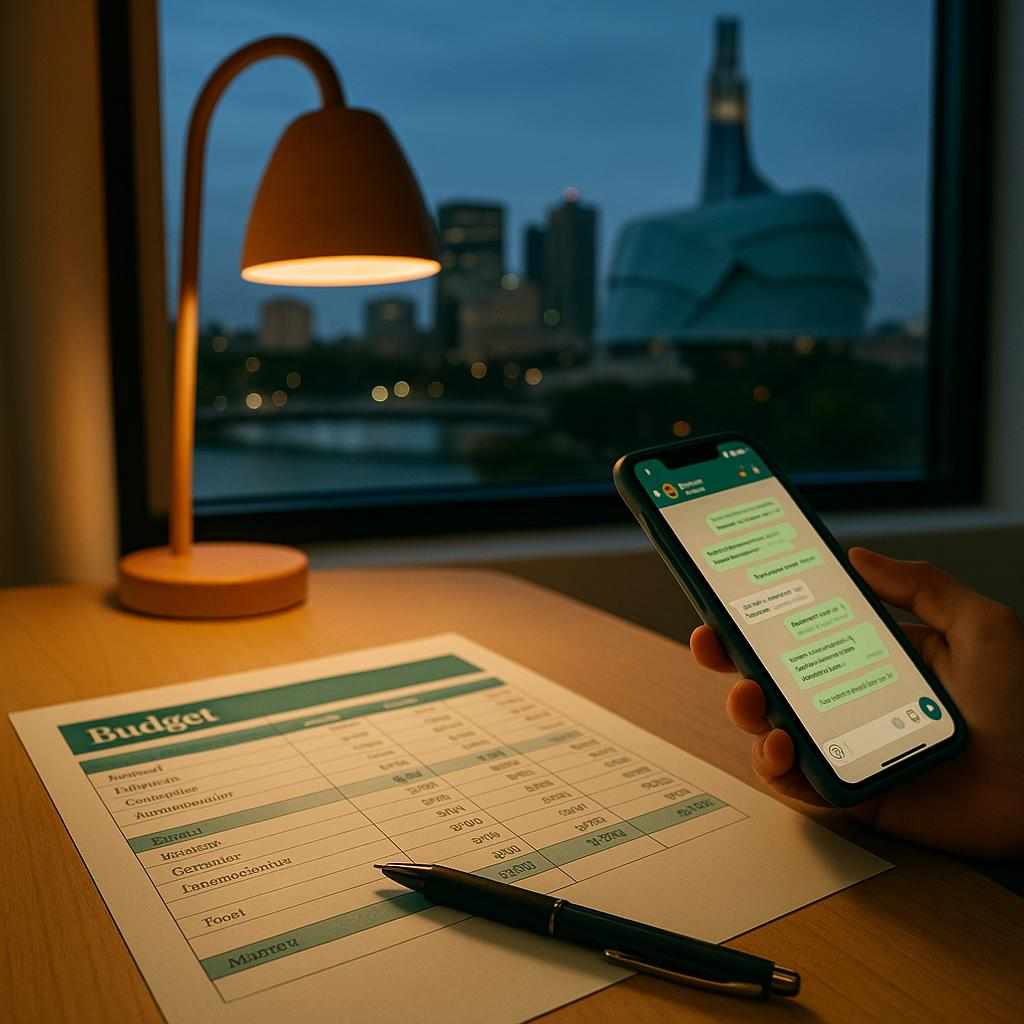
With the rise of WhatsApp-native solutions like POQT, managing finances has become more accessible. Unlike traditional apps, these tools allow for real-time expense logging and budget tracking, all within a familiar chat interface. This integration into a platform many already use daily reduces the barriers to consistently tracking finances.
Imagine logging your expenses by simply sending a voice note. This ease of use can reduce the friction often associated with traditional budgeting methods. Having a clear picture of your financial situation can alleviate anxiety by providing a sense of control. It's like having a financial assistant in your pocket, ready to help at any moment.
Moreover, these tools often support multiple currencies and languages, making them versatile for diverse users. This inclusivity ensures that more people can adopt effective financial habits without the barrier of language or currency confusion. It democratizes financial management, making it accessible to those who might otherwise feel excluded.
By integrating technology into daily routines, individuals can transform how they manage money, making it less of a chore and more of an empowering experience. The ability to see real-time updates on spending and savings can shift the narrative from anxiety to empowerment, helping users to focus on proactive financial management.
Practical Steps to Ease Financial Anxiety
Feeling anxious about money is common, but there are concrete steps you can take to ease that tension. These practical actions can help you regain a sense of control and reduce stress.
- Track your spending daily. Use a tool like POQT to log expenses via WhatsApp, which can help you stay aware of your financial flow without the hassle of traditional spreadsheets.
- Set aside a small emergency fund. Even $5 a week can build up over time, providing a cushion that can ease anxiety about unexpected expenses.
- Create a realistic budget. Focus on needs first, then allocate for wants. This prioritization can help ensure that essential expenses are covered, reducing stress about making ends meet.
- Limit exposure to financial comparison on social media. Focus on your journey and remember that what you see online is often not the full picture.
- Practice mindfulness techniques to manage stress. Deep breathing or short meditation sessions can help you stay grounded and reduce anxiety when financial worries arise.
When to Seek Professional Help
While these tips can be helpful, there are times when professional guidance is necessary. If you're facing a debt crisis, overwhelmed by tax issues, or have legal financial questions, consulting a professional might be the best course of action.
Remember, seeking help is a sign of strength, not weakness. Professionals can offer tailored advice and strategies that are beyond the scope of DIY budgeting tips. They can provide insights into debt consolidation, tax planning, and legal financial matters that require specialized knowledge.
Always ensure you're reaching out to qualified and reputable advisors. Look for certified financial planners or accredited professionals who have a track record of helping individuals in similar situations. The right guidance can make a significant difference in managing financial anxiety effectively.
In the end, while managing finances on your own can be empowering, recognizing when to seek help is equally important. It's about building a support system that includes both personal strategies and professional advice to navigate financial challenges confidently.
Track expenses in seconds on WhatsApp
POQT automatically categorizes everything for you.
Start on WhatsApp
No app to download. Text, voice note, or receipt photo, money tracking where you already chat.
Try POQT free