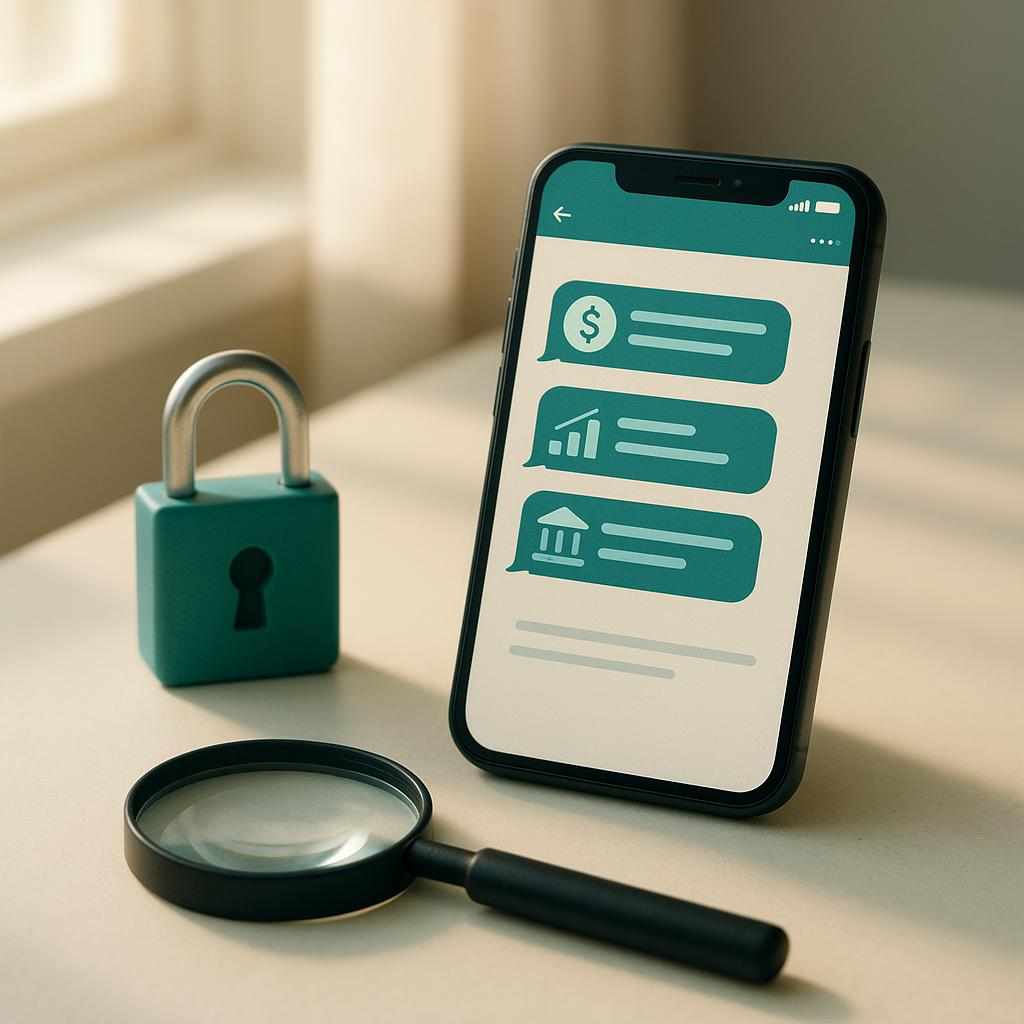
Mastering Your Day with the Pareto Principle in Personal Finance

The sun peeks through your curtains, signaling the start of a new day. With a warm cup of coffee in hand, it's the perfect moment to harness the power of the Pareto principle in your financial routine. This principle suggests that 80% of your results come from 20% of your efforts. In the quiet of the morning, take a few minutes to identify the two or three financial tasks that will have the most significant impact on your day. Perhaps it's reviewing your budget or setting a spending limit to guide your choices.
Morning Clarity: Setting the Tone
As you sip your coffee, consider logging any morning expenses immediately. If you've treated yourself to a latte or a quick breakfast, use a voice note on WhatsApp with POQT to record it. This small but mighty action can keep you accountable and provide a clear picture of your spending patterns as the day unfolds. This habit not only helps in keeping track but also gives you an early sense of accomplishment, setting a positive tone for the day.
The morning is also an ideal time to set financial intentions. Whether your goal is to save a specific amount or to avoid impulse purchases, establishing these intentions early can steer your spending decisions throughout the day. Visualize a successful day where you’ve stuck to your budget and met your goals, setting a positive tone for what’s to come. This visualization can be a powerful motivator, reminding you of your financial priorities as you navigate through various spending temptations.
Midday Check-In: Staying on Track
As the clock strikes noon and your stomach begins to rumble, it’s easy to let financial goals slip in favor of convenience. This is a crucial moment to pause and reassess your spending habits. The Pareto principle reminds us that small actions can lead to significant outcomes. A brief check-in can help you stay aligned with your financial objectives.
Before grabbing lunch, take a moment to review your morning expenses. This doesn’t have to be a tedious task. A quick glance at your WhatsApp logs can be enough to remind you of your budget. Are you on track? If adjustments are needed, make them now to avoid overspending later. Perhaps you notice a pattern of small splurges that could be curtailed to save for a more significant goal.
If the lure of a lavish lunch tempts you, remember your morning goals. Reflect on whether your choices align with your financial intentions. This midday reflection can empower you to make smarter, more mindful decisions, ensuring that your spending aligns with your broader financial goals. Consider packing a lunch or choosing a more budget-friendly option, which not only saves money but also reinforces your commitment to your financial plan.
Evening Reflection: Evaluating Your Day
As the day winds down and you find yourself back home, it's time to reflect on your financial decisions. The evening is an opportune moment to evaluate whether the 20% of your efforts led to 80% of your desired financial outcomes. Did you manage to stick to your budget? Were there any unexpected expenses that crept in?
Take a few moments to review your expense logs and see where your money went. This isn't about feeling guilty for any slip-ups but about gaining awareness. Understanding your spending habits is crucial for making better decisions tomorrow. Perhaps you'll notice a trend in your spending that you hadn't realized before, offering new insights into where you can improve.
Consider setting aside a few minutes to plan for the next day. What strategies worked well today? What areas could use improvement? This reflection process is a powerful tool for continuous improvement, helping you refine your approach to personal finance one day at a time. Use this time to acknowledge your successes, no matter how small, and set the stage for a more financially savvy tomorrow.
Night Planning: Preparing for Tomorrow
As you prepare to wind down for the night, take a moment to plan for the next day. The Pareto principle can guide you in identifying which tasks will have the greatest impact on your financial well-being. This might involve setting a new savings goal or deciding to limit unnecessary expenses. By focusing on the most impactful tasks, you ensure that your efforts are efficiently directed.
Logging these goals can be as simple as sending a quick message to yourself on WhatsApp. This small step can help you crystallize what you want to achieve financially, setting a positive tone for the next day. Knowing what you aim to accomplish can make it easier to stick to your plans and resist the temptation to stray. It's like setting a financial GPS for your day, guiding you towards your goals with precision.
Remember, night-time planning isn't about creating a rigid schedule. It's about being mindful of your financial habits and making small, intentional changes that lead to significant results over time. With a clear plan in mind, you can go to bed with the confidence that you are taking control of your financial future. This peace of mind can contribute to better rest, knowing that you're actively working towards financial stability.
When Life Doesn’t Follow a Script
Life is unpredictable, and not every day fits neatly into a planned schedule. If your day doesn't unfold like a textbook example, there's no need to worry. You can still apply the Pareto principle with a flexible approach to your financial management. Flexibility is key, and being adaptable can help you maintain progress even when things don't go as planned.
Consider these options to adapt your financial routine:
- Identify one key financial task to focus on, no matter the time of day, ensuring that it aligns with your most important goals. This could be as simple as ensuring you log all expenses or sticking to a no-spend day.
- Use quick voice logs to capture expenses on the go, adapting to your changing schedule and maintaining accountability. This method is especially useful for those with unpredictable schedules.
- Set weekly financial goals if daily planning feels overwhelming, giving you a broader framework to work within. This allows for more flexibility while still keeping your financial goals in sight.
- Reflect on your spending habits during downtime, such as while commuting or waiting in line, to maximize your time efficiently. These moments can be used for quick financial check-ins.
- Adjust your strategy as needed, focusing on small changes that yield big results, allowing you to stay flexible and responsive to life's demands. Remember, the goal is progress, not perfection.
Track expenses in seconds on WhatsApp
POQT automatically categorizes everything for you.
Start on WhatsApp
No app to download. Text, voice note, or receipt photo, money tracking where you already chat.
Try POQT free