How Multilingual Finance Apps are Changing Money Management
Imagine you're juggling bills in a language that isn't your first. Stressful, right? That's what Maria, a recent college grad in Oregon, faced every month. She'd often miss payment deadlines simply because she misunderstood a term or two. Her stress levels would spike each time she received a bill, and the anxiety of potentially missing payments loomed large over her head.
A New Way to Handle Money
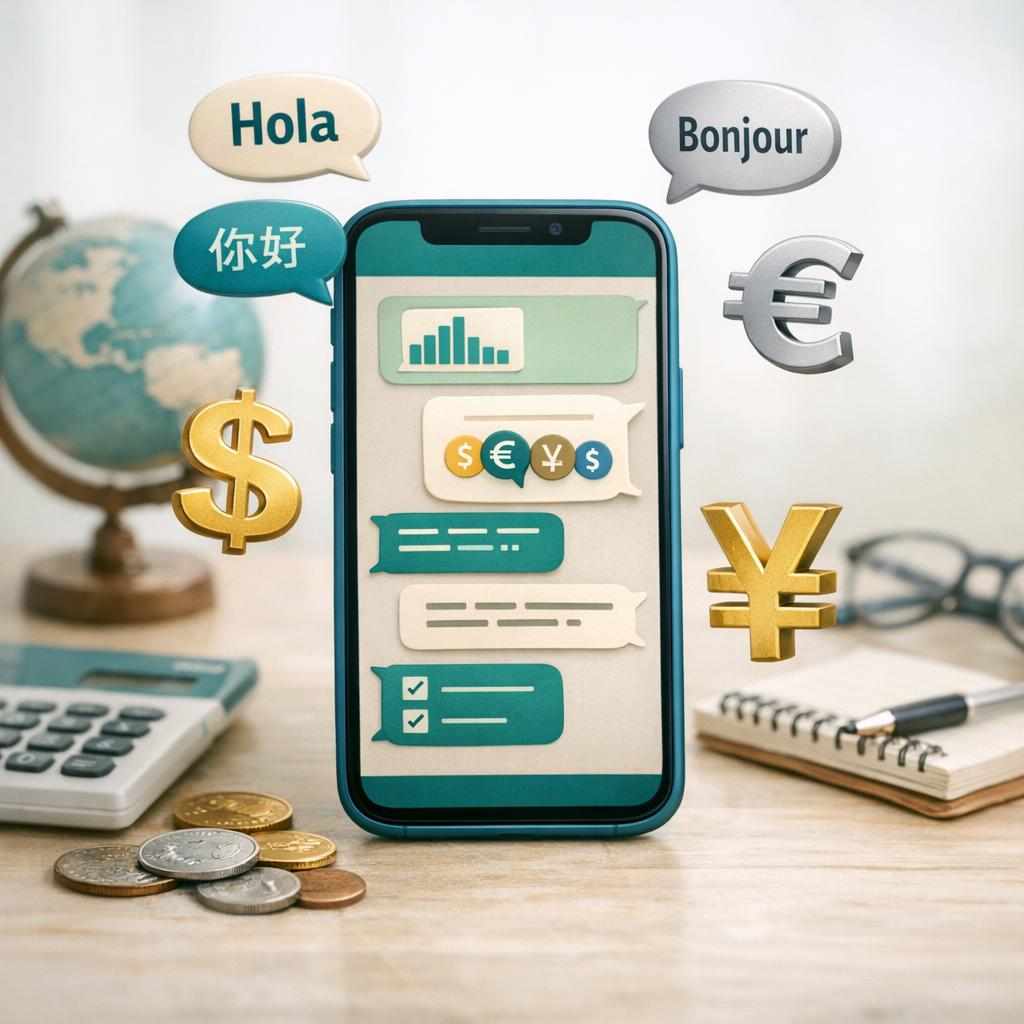
Then, she discovered a multilingual finance app developed by a fellow student. Suddenly, managing her budget became a lot less daunting. She could track expenses in her native Spanish, making everything clearer and less stressful. The app's intuitive interface allowed her to categorize her expenses and set reminders in her language, which helped her avoid missed payments. With this newfound clarity, Maria felt more in control of her finances and could focus on her studies without the constant worry of financial mishaps.
Why Language Matters in Money Management
Language barriers can complicate many aspects of life, and managing finances is no exception. When you're not fluent in the language of your financial tools, it can feel like you're forever stuck in a fog. Misunderstandings can lead to costly mistakes, such as overdraft fees or missed investment opportunities, which could otherwise be avoided with clear communication.
Multilingual finance apps are a game-changer for those who speak multiple languages or are more comfortable in their native tongue. These apps not only translate text but also contextualize financial terms, making them more understandable. This level of personalization allows users to engage with their finances on a deeper level, fostering better financial habits and decision-making.
This development is crucial for immigrant communities who may struggle with language barriers in traditional banking and financial settings. By using an app that speaks their language, they gain confidence and clarity in managing their money. Empowered with the right tools, they can make informed decisions about savings, investments, and expenditures without the fear of misunderstanding critical financial information.
For example, an app that offers instructions and guidance in multiple languages can help users make informed decisions without the fear of misunderstanding critical financial information. This is particularly important for financial literacy, as understanding the nuances of terms like 'interest rate' or 'credit score' in one's native language can enhance comprehension and lead to better financial outcomes.
The Rise of Chat-Based Finance Tools
The recent news about a student-developed multilingual finance app highlights a growing trend: the shift to chat-based financial tools. These tools meet users where they already spend much of their time, on messaging platforms. This seamless integration into daily communication habits makes managing money less of a chore and more of a natural extension of everyday life.
Unlike traditional finance apps that require downloads and installations, chat-based tools integrate directly into platforms like WhatsApp. This makes them accessible and convenient, especially for those who prefer not to clutter their devices with numerous apps. The convenience of accessing financial information and tools directly through a chat interface reduces the friction often associated with financial planning.
These tools offer real-time assistance and logging features. Imagine sending a quick voice note about your latest grocery run and having it logged instantly. This ease of use can encourage more consistent financial tracking habits. Users can receive instant feedback on their spending patterns, helping them adjust their habits in real-time.
Moreover, for people who may not be tech-savvy, using a familiar platform like WhatsApp reduces the learning curve, making financial management more approachable. The comfort of a known interface means users can focus on understanding their finances rather than learning how to navigate a new app. This can be particularly beneficial for older adults or those less inclined to adopt new technologies.
Practical Tips for Using Multilingual Finance Apps
If you're ready to try a multilingual finance app, here are some practical ways to make the most of it:
- Set your preferred language in the app settings to ensure clarity. This simple step can transform your experience, making it easier to understand and manage your finances.
- Use voice notes to quickly log expenses on platforms like WhatsApp. This feature is especially useful for those on the go, allowing for quick and efficient tracking of daily expenditures.
- Regularly review your budget in your native language to catch any misunderstandings. By doing so, you can ensure that you're staying on track with your financial goals and avoiding any potential pitfalls.
- Take advantage of any educational resources the app offers in your language. These resources can provide valuable insights into financial management, helping you make more informed decisions.
- Engage with community forums or support groups within the app for shared learning. Connecting with others who have similar experiences can provide support and additional tips for managing your finances effectively.
- Explore currency conversion features if you deal with multiple currencies. This can be particularly useful for international students or expatriates who need to manage finances across different countries.
When to Seek Professional Help
While multilingual apps can simplify day-to-day money management, they aren't a substitute for professional advice. If you're facing a debt crisis or have complex tax questions, it's wise to consult a financial advisor or tax professional. These situations often involve intricate details that require a nuanced understanding beyond what an app can provide.
These experts can provide personalized advice and help you navigate legal and regulatory requirements that apps alone may not address. Whether it's planning for retirement, managing investments, or understanding tax implications, professional guidance can be invaluable.
Remember, it's okay to ask for help when you need it. Seeking professional advice doesn't mean you're failing; it means you're taking proactive steps to ensure your financial well-being. It's about using all available resources to make the best decisions for your future.
Track expenses in seconds on WhatsApp
POQT automatically categorizes everything for you.
Start on WhatsApp
No app to download. Text, voice note, or receipt photo, money tracking where you already chat.
Try POQT free