Navigating Privacy Concerns with Personal Finance Tools in Chat Apps
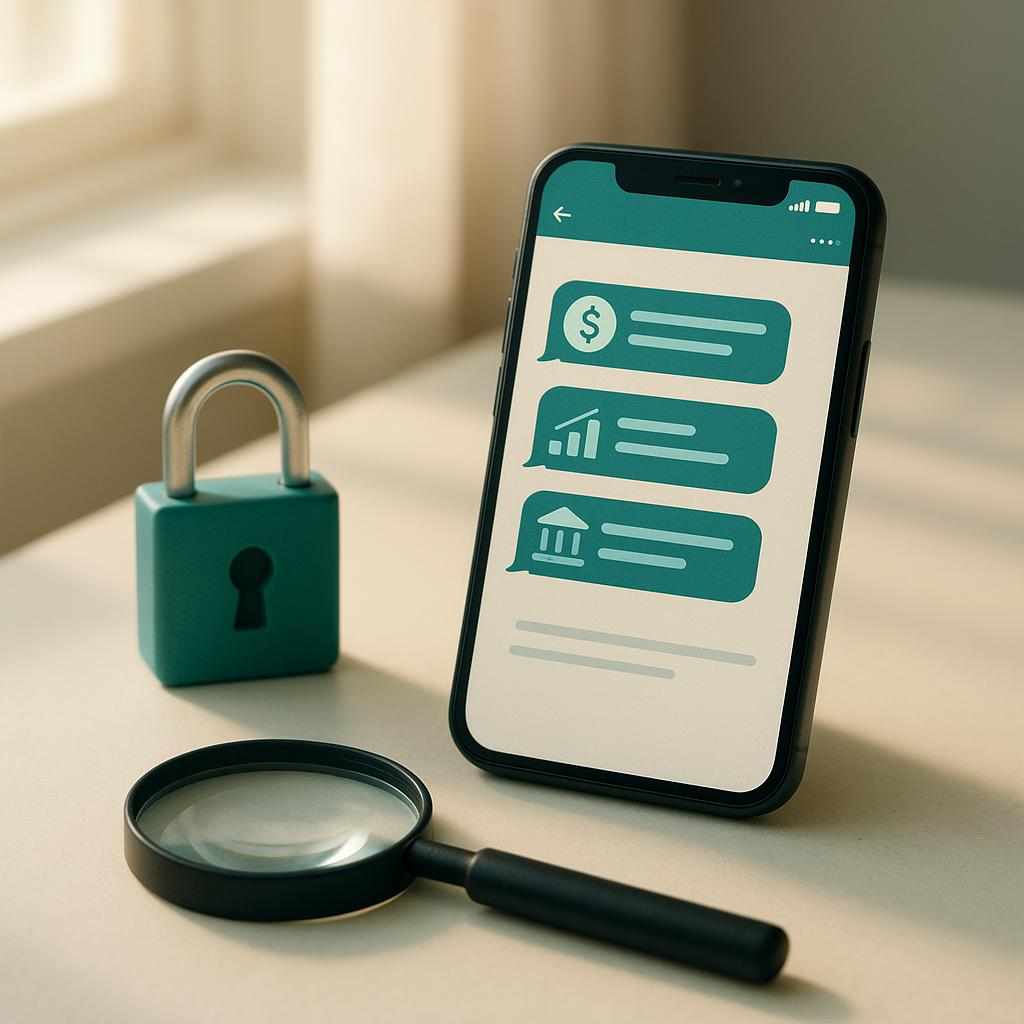
It's easy to assume that well-known chat apps are safe for managing your personal finance tasks. After all, they're convenient and familiar, right? But recent news highlights potential privacy concerns that you shouldn't ignore. These apps often promise end-to-end encryption and robust security, but the introduction of finance tools can complicate the privacy landscape.
Myth
Chat Apps Are Always Safe for Personal Finance
While chat apps often have strong security measures, the integration of new finance tools raises questions. Experts are voicing concerns about how these tools handle your data, so it's important to stay informed. For instance, the integration of third-party services within these apps might expose your sensitive information to risks you hadn't considered. If a finance tool within a chat app doesn't adhere to the same strict privacy standards, your data could be at risk.
Moreover, the popularity of these apps can make them attractive targets for hackers. The more users an app has, the more tempting it becomes for cybercriminals to attempt breaches. This doesn't mean you should abandon these tools altogether, but it does underscore the importance of being vigilant about the privacy settings and data practices of each app you use.
Truth
Understand the Risks Before You Dive In
Being cautious doesn't mean you have to avoid using chat apps for finance altogether. Instead, take the time to understand what data is being collected and how it's used. This is crucial for maintaining control over your financial information. For example, when you use a chat app to log expenses or transfer money, the app might collect data on your spending habits or transaction history.
Pay attention to the app's privacy policy. Does it clearly state what data is shared with third parties? Transparency is key. If the information isn't clear, consider reaching out to the app's support for clarification. A transparent privacy policy should detail the types of data collected, how it is used, and whether it is shared with any third parties. This knowledge empowers you to make informed decisions about the apps you choose to use.
Using tools like POQT, which allow you to log expenses via WhatsApp, can offer a balance of convenience and control. Just be mindful of the permissions you grant and stay updated on any changes in the app's policy. For instance, if an app requests access to your contacts or location, consider whether this is necessary for the service it provides. By staying informed and cautious, you can enjoy the benefits of these tools while minimizing risks to your privacy.
Myth
All Finance Tools Offer the Same Privacy Protections
You might think that all personal finance tools are created equal when it comes to privacy. However, this isn't the case. Each tool has its own approach to handling your data, and some might not meet your expectations. The assumption that a tool is safe simply because it's popular or new can be misleading.
With OpenAI's new finance tool raising eyebrows, it's a reminder that privacy standards can vary widely. Don't assume that just because a tool is new or popular, it's automatically safe. While some tools prioritize user privacy and data protection, others may not have the same level of commitment. It's important to recognize that the technology behind these tools is evolving, and with it, the potential for privacy vulnerabilities.
Moreover, the regulatory environment is also changing, with new laws being enacted to protect consumer data. However, not all companies are quick to comply, and some may lag in updating their practices to meet new standards. This means that even if a tool was compliant in the past, it might not be up to date with current regulations.
Truth
Evaluate Each Tool on Its Own Merits
Before adopting a new finance tool, do your homework. Look for reviews and user feedback specifically about privacy concerns. This can provide insights into real-world experiences that the app's marketing might not reveal. Users often share their experiences with data breaches or privacy issues, which can be invaluable in assessing a tool's reliability.
Check if the tool has been audited by third-party security experts. This can be a good indicator of its commitment to protecting your data. Additionally, see if the tool offers customizable privacy settings that let you control what data is shared. This level of control can be crucial in protecting your personal information.
Remember, the best tool for you is one that aligns with your comfort level regarding data privacy. It's worth spending a bit of time to ensure your financial information is in safe hands. Consider tools that allow you to set your own privacy preferences, such as opting out of data sharing or anonymizing your data. This way, you can tailor the tool to fit your specific privacy needs.
Myth
Privacy Concerns Are Overblown
Some say that privacy concerns are exaggerated and that there's no real danger in using these tools. But dismissing these concerns could lead to unwanted risks. Data breaches and misuse of personal information are real threats, and they can have serious consequences for your financial well-being.
Ignoring privacy issues can lead to financial stress if your information falls into the wrong hands. It's better to be proactive and informed rather than reactive after an incident. The cost of a data breach can be high, not only in terms of money but also in terms of time spent resolving the issue and the potential damage to your credit score.
Furthermore, the increasing sophistication of cyberattacks means that even seemingly minor privacy oversights can be exploited. For instance, a hacker gaining access to your chat app could potentially intercept financial transactions or access sensitive data. This is why it's crucial to take privacy concerns seriously and implement measures to protect your data.
Truth
Protect Your Financial Well-Being
Taking privacy seriously is an essential part of managing your finances. Here are some steps you can take to protect yourself:
- Regularly update passwords and use two-factor authentication. This adds an extra layer of security, making it harder for unauthorized users to access your accounts.
- Be selective about the apps you use and the permissions you grant. Only download apps from reputable sources and review the permissions they request carefully.
- Stay informed about the latest privacy news related to your finance tools. Being aware of potential vulnerabilities can help you take timely action to protect your data.
- Consider using apps that prioritize privacy, like POQT, to manage your expenses. These apps often have stronger privacy controls and are designed with user security in mind.
- Regularly review your app settings and privacy policies. Make it a habit to check for updates to privacy policies and adjust your settings as needed to maintain your desired level of privacy.
Track expenses in seconds on WhatsApp
POQT automatically categorizes everything for you.
Start on WhatsApp
No app to download. Text, voice note, or receipt photo, money tracking where you already chat.
Try POQT free