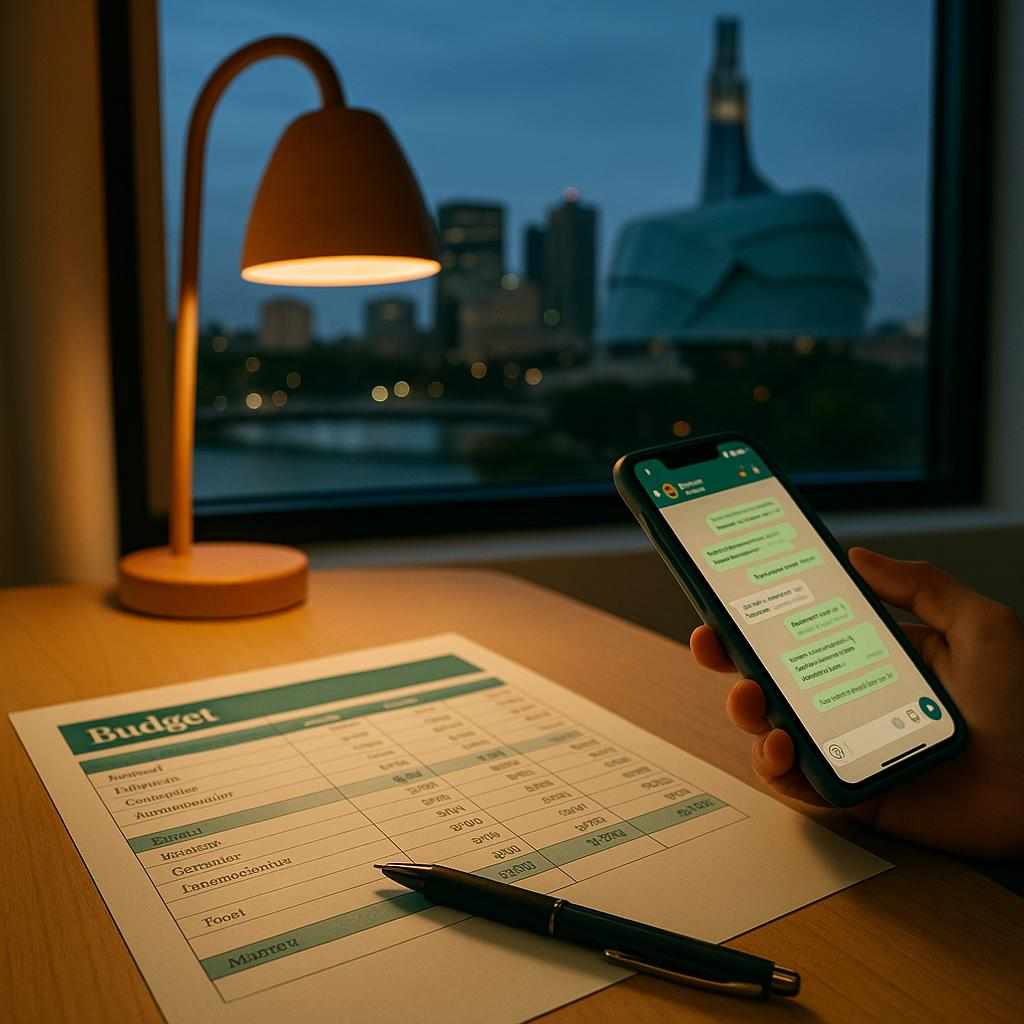
Many of us like to think we have a firm grasp on our spending habits. We operate under the assumption that as long as we aren't buried under a mountain of debt, our financial health is in a good place. The occasional indulgence, like a spontaneous online shopping spree after a rough week or an extra latte because we feel we deserve it, seems harmless. These small treats are often seen as part of the rewards of hard work and living in a fast-paced, consumer-driven society.
What people assume
What We Assume About Our Spending
The common belief is that these everyday expenses are manageable and just a normal part of life. It's easy to justify them as little rewards rather than potential risks. However, when the bank statements arrive and we see the accumulation of these 'harmless' expenses, it can be a sobering moment. What seemed like minor, isolated indulgences can quickly add up, potentially throwing us off track from achieving our long-term financial goals. This realization can be unsettling, but it also highlights the importance of reassessing our spending assumptions.
We often assume that if we are not making large, extravagant purchases, our financial habits are under control. The reality is that these small, seemingly insignificant expenses can snowball into significant financial burdens. For instance, those $5 coffees might not seem like much individually, but over a month or a year, they can amount to a substantial sum that could have been saved or invested. This assumption that small expenses don't matter can be a barrier to achieving financial stability and reaching our savings goals.
What is actually going on
What’s Actually Happening with Our Spending
In reality, our spending habits can often be more detrimental than we realize. Reports, such as those from MSN, underscore how toxic spending habits can quietly undermine our financial stability. It's not usually the large, infrequent purchases that do the most damage. Instead, it's the small, habitual expenses that accumulate over time and create a significant impact on our financial well-being. These habits often go unnoticed, camouflaged by the ease and speed of digital transactions in today's cashless society.
For example, in China, Gen Z consumers are increasingly shifting their spending from luxury brands to more meaningful and purposeful purchases, as noted by Business Today. This trend reflects a growing awareness and mindfulness about spending patterns. However, many people still fall prey to impulsive spending, driven by emotional triggers or the allure of instant gratification. Understanding these underlying patterns and triggers is crucial for breaking free from mindless spending and making more intentional financial decisions.
The mechanics of digital spending make it easy to lose track of how much we are actually spending. With just a few taps on a screen, money can be transferred, and purchases can be made without the physical exchange of cash, which often feels more tangible and real. This ease of spending can lead to a disconnect between our intentions and our actions, allowing toxic spending habits to thrive unnoticed. Recognizing the subtle ways these habits manifest is the first step to regaining control over our finances.
What tracking changes
The Power of Logging Your Spending in WhatsApp
Imagine the impact of logging every financial transaction in WhatsApp. This simple practice can revolutionize your awareness of spending habits. By documenting each expense, you start to notice patterns that might otherwise go unnoticed. Those daily coffee purchases or impulsive online buys become more apparent, allowing you to see where your money truly goes.
Using a tool like POQT to log spending via voice notes or photos can create a personal and easily accessible record of your expenses. This habit not only helps you keep track of your spending but also fosters a greater sense of mindfulness. As you review your logs, you begin to recognize the triggers that lead to unnecessary purchases and can make more informed decisions about what truly matters. This method of tracking expenses can be a powerful tool in aligning your spending habits with your financial goals, ultimately leading to healthier financial practices.
By incorporating WhatsApp into your financial routine, you create a space that is both familiar and practical for tracking expenses. The conversational nature of WhatsApp allows for a more engaging way to monitor spending, turning what might feel like a tedious task into a more interactive and insightful practice. This approach not only helps in identifying toxic spending habits but also encourages a more thoughtful approach to financial decision-making.
Try this
Small Experiments to Transform Spending Habits
These experiments focus on increasing awareness rather than enforcing strict deprivation. By becoming more intentional with your spending, you can better align your financial habits with your personal goals. It's not about striving for perfection; it's about gaining insight and making choices that support a more sustainable financial future.
Consider trying a few of these small experiments to see how they might shift your spending behaviors:
Log every purchase in WhatsApp for a week. As you review your entries, look for any recurring patterns or surprising trends.
Set a daily spending limit and keep track of it with updates in your chat. This can help you stay accountable and conscious of your daily financial decisions.
Use voice notes to articulate your reasons for each purchase. This practice can illuminate the emotional or situational triggers behind your spending.
Review your logged expenses weekly to identify impulsive buys. Reflecting on these can help you understand and curb unnecessary spending.
Challenge yourself to a no-spend day and document your experience. This can reveal how much of your spending is habitual rather than necessary.
These small changes can lead to significant insights and improvements in your financial habits, helping you to spot and address toxic spending patterns effectively. By experimenting with these practices, you create a personalized approach to financial mindfulness, allowing for greater control and intentionality in your spending.
Track expenses in seconds on WhatsApp
POQT automatically categorizes everything for you.
Start on WhatsApp
No app to download. Text, voice note, or receipt photo, money tracking where you already chat.
Try POQT free