Visualizing Your Spending: How Chat-Based Tools Are Changing Money Management
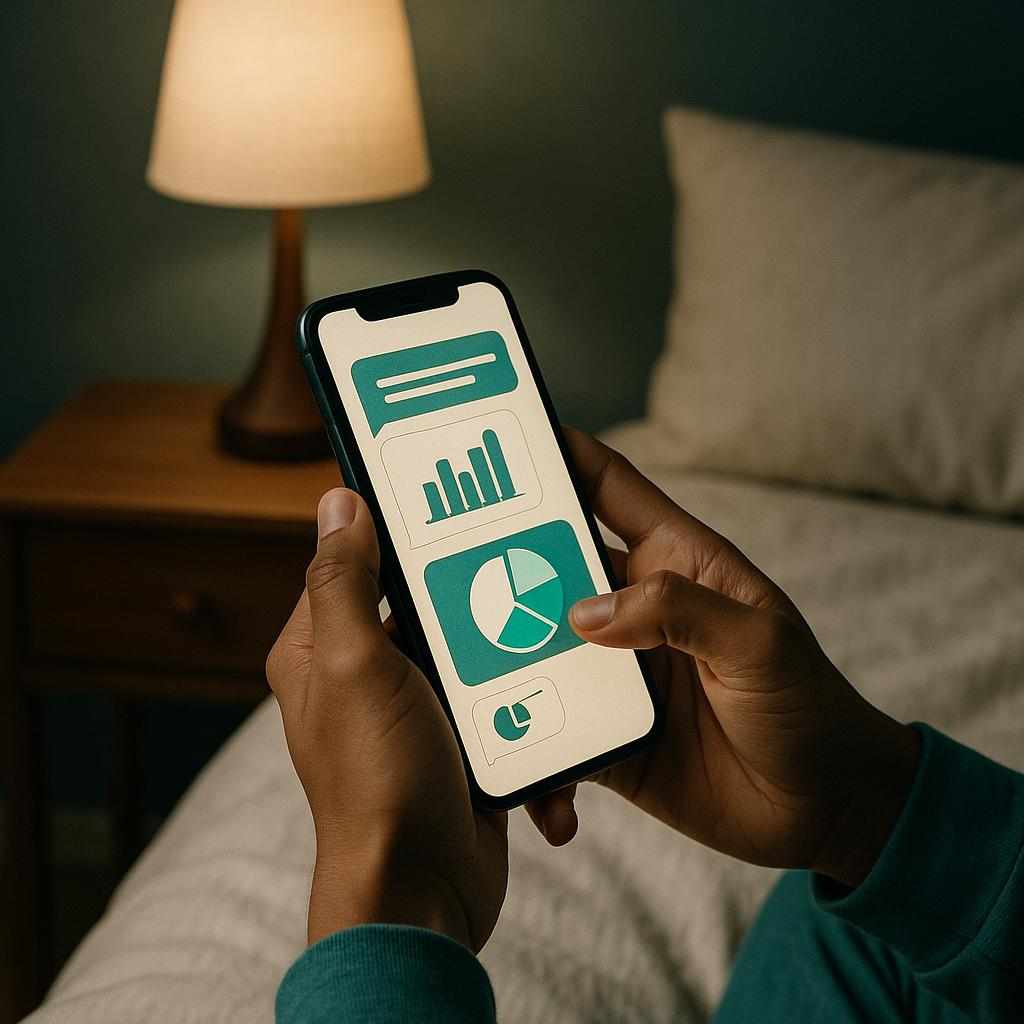
Jamie was sipping her morning coffee when she realized her spending had spiraled out of control. She opened WhatsApp, not for a chat with friends, but to check in with her finance assistant. With a few quick voice notes, she logged her expenses from the weekend, a couple of dinners out and some impulse buys.
A Day in the Life of Budgeting with Chat
This wasn’t just a routine check-in. It was part of a new habit she’d formed, using a chat-based tool to keep track of her finances. Instead of feeling overwhelmed by spreadsheets or apps she never opened, Jamie found herself more engaged and aware of her spending patterns, all through a familiar chat interface. The transformation was subtle yet profound. Over time, the act of simply recording her expenses in a conversational format brought a sense of accountability and clarity she hadn’t experienced before.
One morning, as she reviewed her spending summary, she noticed a pattern: her weekend dining expenses were creeping up. It was a revelation that might have gone unnoticed in a traditional budgeting app. The chat tool didn’t just show her numbers; it told her a story about her habits, nudging her gently towards more mindful spending choices.
Why Visualization Matters in Money Management
The recent buzz around FinTracker highlights a key trend in personal finance: the power of visualization. When you can see where your money goes, it’s easier to make informed decisions. Visualization tools transform raw data into understandable graphs and charts, helping you spot spending trends and irregularities. This transformation of numbers into visual stories can change how we perceive our financial health, making it more tangible and actionable.
But it’s not just about pretty graphs. Visualization helps bridge the gap between abstract numbers and real-world impact. When Jamie saw her dining expenses visually compared to her budget, it clicked. It wasn’t just a number; it was a story about her lifestyle choices. This kind of insight is invaluable in personal finance, where the emotional and psychological aspects of money management often outweigh the purely numerical.
Traditional budgeting apps often require you to log in, navigate complex menus, and manually input data. In contrast, chat-based tools like FinTracker simplify the process. You interact naturally, just like you would with a friend, making it more likely you’ll stick with it. This ease of use is crucial because the best financial tool is the one you actually use consistently.
For many, the goal is to cultivate better financial habits without feeling burdened by the process. Visualization, especially when integrated into everyday chat platforms, makes financial management less of a chore and more of an enlightening experience. It turns the abstract into the concrete, the overwhelming into the manageable, and the mundane into the engaging.
Chat-Based Tools: A Natural Fit for Financial Tracking
Why are chat-based tools gaining traction in finance? It’s all about accessibility and ease. People are already using messaging apps daily, so integrating financial tracking into these platforms makes perfect sense. It’s a seamless extension of behavior that’s already ingrained in our daily routines, which lowers the barrier to entry for users who might otherwise be intimidated by financial management tools.
These tools allow you to log expenses, set reminders, and even get insights on spending habits without ever leaving your chat app. It’s like having a financial advisor in your pocket, ready to assist whenever you need it. This constant accessibility means you’re more likely to stay on top of your finances, making adjustments in real time rather than at the end of the month when it might be too late.
Consider the ease of logging an expense via a voice note on WhatsApp with POQT. It’s quick, intuitive, and doesn’t disrupt your day. Plus, it supports multiple currencies and languages, making it versatile for users across different regions. This flexibility is key in a globalized world where financial transactions often cross borders.
Unlike traditional finance apps that can feel detached, chat-based tools provide a personal touch. They engage users in a familiar environment, reducing the friction often associated with financial management. By embedding financial tracking in a social context, these tools make managing money feel less like a solitary task and more like a community effort.
Practical Money Ops You Can Do in Chat
Ready to take control of your finances through chat? Here are some practical steps to get started:
Log daily expenses with voice notes for quick tracking.
Set up automated reminders for bill payments.
Request spending summaries weekly to stay informed.
Use photo logging to capture receipts and warranty info.
Engage with simple budgeting challenges to boost savings.
Receive alerts for unusual spending patterns.
When Chat Isn’t Enough: Knowing Your Limits
While chat-based tools are excellent for day-to-day management, they’re not a substitute for professional advice when dealing with complex financial issues. If you’re facing a debt crisis, tax complications, or legal questions, it’s wise to consult with a financial advisor or accountant. These situations often require a nuanced understanding of the financial landscape that goes beyond the capabilities of even the most sophisticated chat tool.
These professionals can provide tailored advice and strategies that a chat tool simply can’t. They bring a depth of expertise and experience that is invaluable in navigating complex financial waters. Remember, being proactive about seeking help when needed is a crucial part of financial health. Chat tools are a great start, but knowing when to reach out for expert guidance is equally important.
In times of financial stress, the support of a professional can offer peace of mind and a clear path forward. They can help you understand the implications of your financial decisions, create a comprehensive plan, and provide the emotional support that is often needed during challenging times. While chat tools can help you manage the day-to-day, a professional can help you strategize for the future.
Track expenses in seconds on WhatsApp
POQT automatically categorizes everything for you.
Start on WhatsApp
No app to download. Text, voice note, or receipt photo, money tracking where you already chat.
Try POQT free

