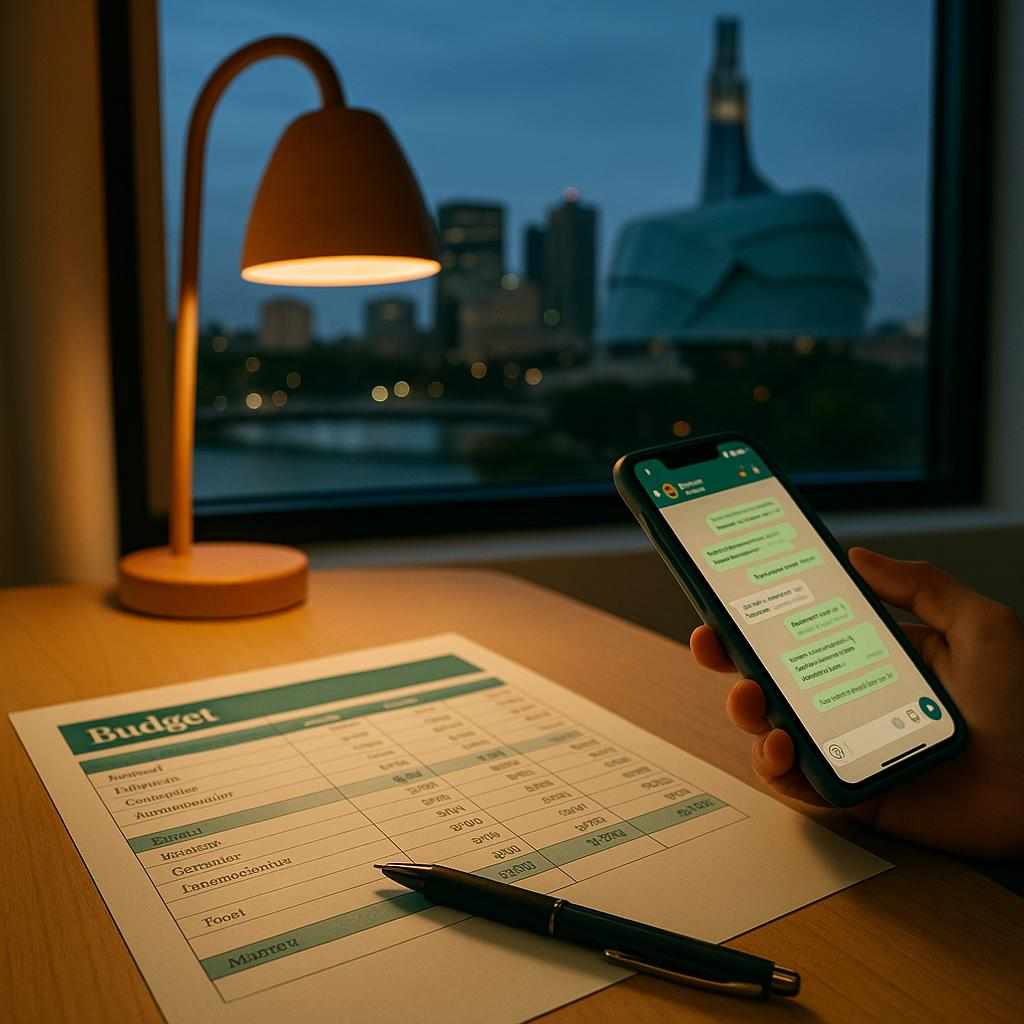
Debunking Money Myths: Financial Literacy in the Chat Era

It’s easy to assume that everyone knows the basics of managing money. After all, we all use it every day, right? But the truth is, many people feel lost when it comes to budgeting, saving, or understanding credit. This misconception can lead to financial missteps and stress, as individuals may not seek help or education, believing they should already know how to manage their finances effectively.
Myth
Everyone Understands Basic Money Management
Financial literacy isn't just about knowing how to balance a checkbook or keep track of expenses. It's about understanding how to make informed decisions about spending, saving, borrowing, and investing. With the fast-paced changes in technology and the financial landscape, even those who once felt confident can find themselves overwhelmed. The digital age has introduced complex financial products and services that require a deeper understanding than what basic money management skills might cover.
Truth
Financial Literacy Classes Are Making a Difference
Recent news highlights initiatives like the free financial literacy classes offered by Diversified Members Credit Union. These classes aim to bridge the gap between financial usage and understanding. They provide essential insights into budgeting, debt management, and savings strategies, equipping participants with the knowledge to navigate the financial world more effectively.
Such programs are crucial because they offer practical skills that traditional education might overlook. By focusing on real-world applications, these classes help people make better financial decisions, reducing stress and increasing financial security. They are designed to demystify complex financial concepts, making them accessible to everyone, regardless of their starting point.
Whether you’re a seasoned budgeter or just starting out, these classes can offer new perspectives and strategies. They’re not just for those struggling financially but for anyone looking to enhance their financial toolkit. By participating, you can gain confidence in your financial decisions, learn to avoid common pitfalls, and set yourself on a path to achieving your financial goals.
Myth
You Can’t Learn Money Management Without Formal Education
There's a widespread belief that formal education is the only way to learn money management. This myth can discourage people from seeking knowledge outside a classroom setting, leaving them feeling that financial literacy is out of reach unless they enroll in specific courses or obtain a degree.
While formal education can be valuable, many practical money skills are learned through experience and self-education. In today's digital age, there are countless resources available to help you become financially savvy without ever stepping into a classroom. Online platforms, podcasts, and apps provide interactive and engaging ways to learn about personal finance, often at little or no cost.
Moreover, learning from personal experiences, such as managing a household budget or planning a vacation, can be just as educational as formal instruction. These real-life scenarios offer lessons in financial planning, prioritizing expenses, and understanding the implications of financial decisions. Embracing a mindset of continuous learning and curiosity can lead to significant improvements in financial literacy over time.
Truth
Learning on WhatsApp: A New Frontier
WhatsApp isn't just for chatting. It's becoming a hub for learning and managing finances. With services like POQT, you can log expenses, set budgets, and even receive financial advice through voice or photo messages. This innovative use of a familiar platform makes financial education and management more accessible and engaging for users who might find traditional methods daunting.
This method is particularly appealing for those who prefer learning in a more casual, conversational way. It makes financial management accessible and less intimidating, fitting seamlessly into your daily routine. By integrating financial tools into an app many already use for communication, it reduces the barriers to starting and maintaining good financial habits.
By using these tools, you can track your spending habits in real-time, making adjustments as needed. It’s a modern approach that combines convenience with effective money management strategies. This real-time interaction and feedback loop can help users quickly identify spending patterns and areas for improvement, fostering a proactive approach to personal finance.
Myth
Budgeting Is Only for People with Tight Finances
Some people think budgeting is only necessary if you’re struggling to make ends meet. This myth can lead to complacency and missed opportunities for financial growth. When individuals believe that budgeting is only for financial emergencies, they may overlook its benefits in achieving long-term financial goals.
Budgeting is a tool that benefits everyone, regardless of their financial situation. It helps you understand where your money goes and ensures you're spending in alignment with your values and goals. By systematically tracking income and expenses, budgeting provides insights into spending habits and highlights areas where adjustments can lead to savings or more efficient use of resources.
Furthermore, budgeting isn't about restriction; it's about empowerment. It allows you to make deliberate choices about your money, ensuring that you have funds available for both necessary expenses and the things you enjoy. This proactive approach can prevent financial stress, increase savings, and help you build a more secure financial future.
Truth
The Real Benefits of Budgeting for Everyone
Creating a budget gives you control over your finances. It provides a clear picture of your income and expenses, allowing you to make informed decisions. By understanding your financial situation, you can prioritize spending, avoid unnecessary debt, and work towards your financial goals with confidence.
Budgeting helps prevent overspending, ensures you have money set aside for emergencies, and can even boost your savings for future goals. It's a dynamic tool that evolves with your financial situation, allowing for flexibility and adjustments as your needs and circumstances change. This adaptability is crucial in maintaining financial stability and achieving long-term objectives.
For those looking to start budgeting, consider these tips:
- Start by tracking your expenses to see where your money goes.
- Set realistic spending limits based on your priorities.
- Regularly review and adjust your budget as needed.
Track expenses in seconds on WhatsApp
POQT automatically categorizes everything for you.
Start on WhatsApp
No app to download. Text, voice note, or receipt photo, money tracking where you already chat.
Try POQT free