How Winnipeg's Spending Habits Affect Your Personal Finances
You might be wondering why the spending habits of an entire city like Winnipeg could have any impact on your personal finances. The recent article in the Winnipeg Sun highlighted how these habits are affecting investment in the region. This isn't just about big businesses or government budgets; it reflects a broader picture of financial health that trickles down to individuals. When a city's collective financial behaviors shift, it can create ripples that affect everything from employment opportunities to the cost of living.
Why do spending habits in Winnipeg matter to you?
When a city is known for particular spending behaviors, it can influence everything from local job markets to the availability of services. For instance, if Winnipeggers are spending more on leisure activities, it might mean less money is circulating through essential services, which could affect job stability and economic growth. This kind of imbalance can lead to a situation where certain sectors thrive while others struggle, creating a lopsided economy that can be challenging for residents who depend on those struggling sectors.
For you, understanding these habits can help you make informed decisions about your own spending. If the local economy is sluggish due to widespread overspending, it might be time to reassess your own budget to ensure you're prepared for any economic downturns. Being aware of these trends also allows you to anticipate changes in the job market or shifts in the cost of living, enabling you to make proactive adjustments to your financial strategies. This knowledge empowers you to not only react to economic changes but to plan for them.
How can you identify your spending patterns?
Recognizing your own spending patterns is the first step toward financial health. Start by taking a close look at where your money goes each month. Are you spending more on dining out or entertainment than you realized? This self-awareness can be eye-opening. By understanding where your money goes, you can begin to see the bigger picture of your financial habits and identify areas that may need adjustment.
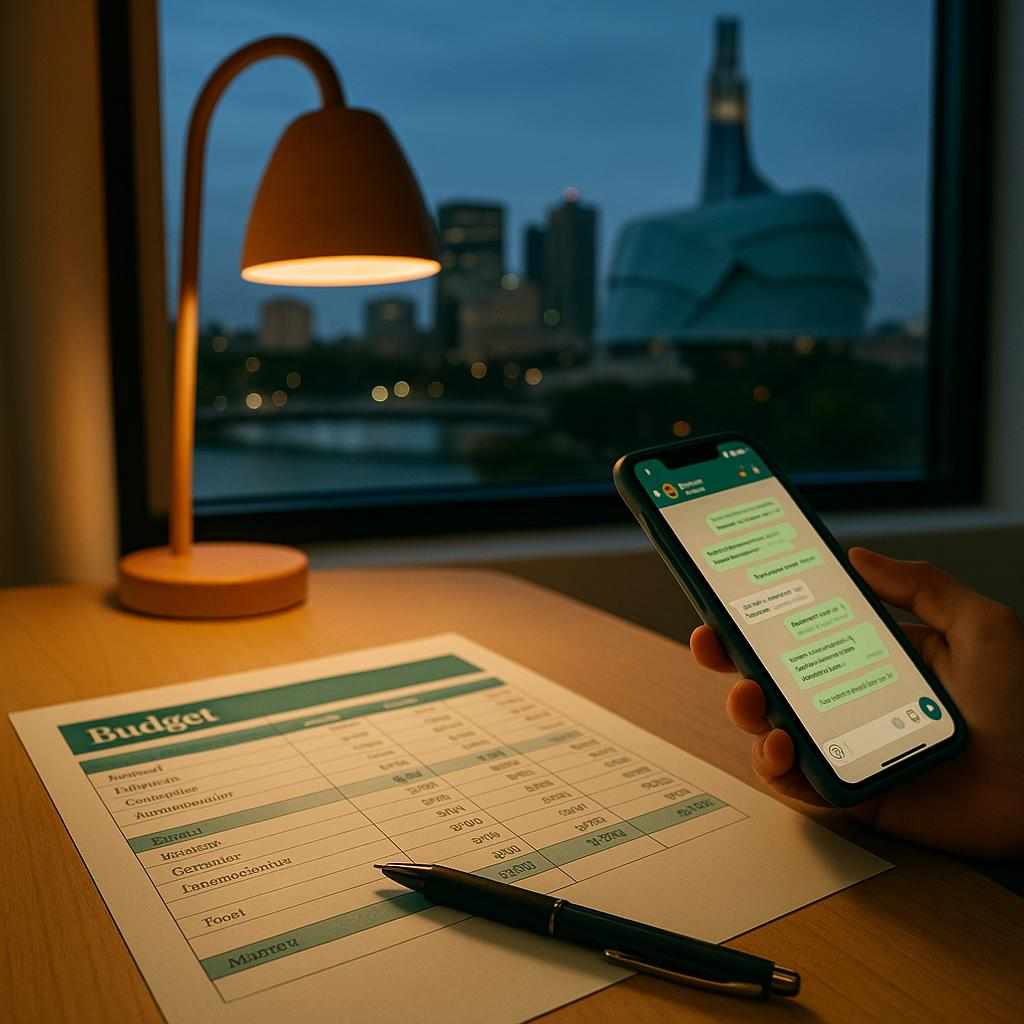
One effective way to track this is by using a tool that fits seamlessly into your daily life. Since you already use WhatsApp for communication, try logging your expenses there. It can be as simple as sending yourself a message every time you make a purchase or using a service like POQT to log by voice note. This method not only makes tracking easy but also integrates it into a platform you already use, reducing the friction of adopting a new habit.
Once you've gathered data for a month or two, review it to identify trends. Are there areas where you consistently overspend? By identifying these patterns, you can start to make conscious choices about where to cut back or adjust. For example, if you notice a trend of frequent small purchases adding up, you might decide to set a weekly limit for discretionary spending. This kind of targeted adjustment can help you align your spending with your financial goals, making it easier to achieve long-term stability.
What can you do to adjust your spending habits?
Changing spending habits isn't about depriving yourself; it's about making choices that align with your financial goals. Start by setting clear, realistic goals. Whether it's saving for a vacation or building an emergency fund, having a target makes it easier to prioritize spending. When you have a clear vision of what you're working towards, it becomes easier to make decisions that support those objectives.
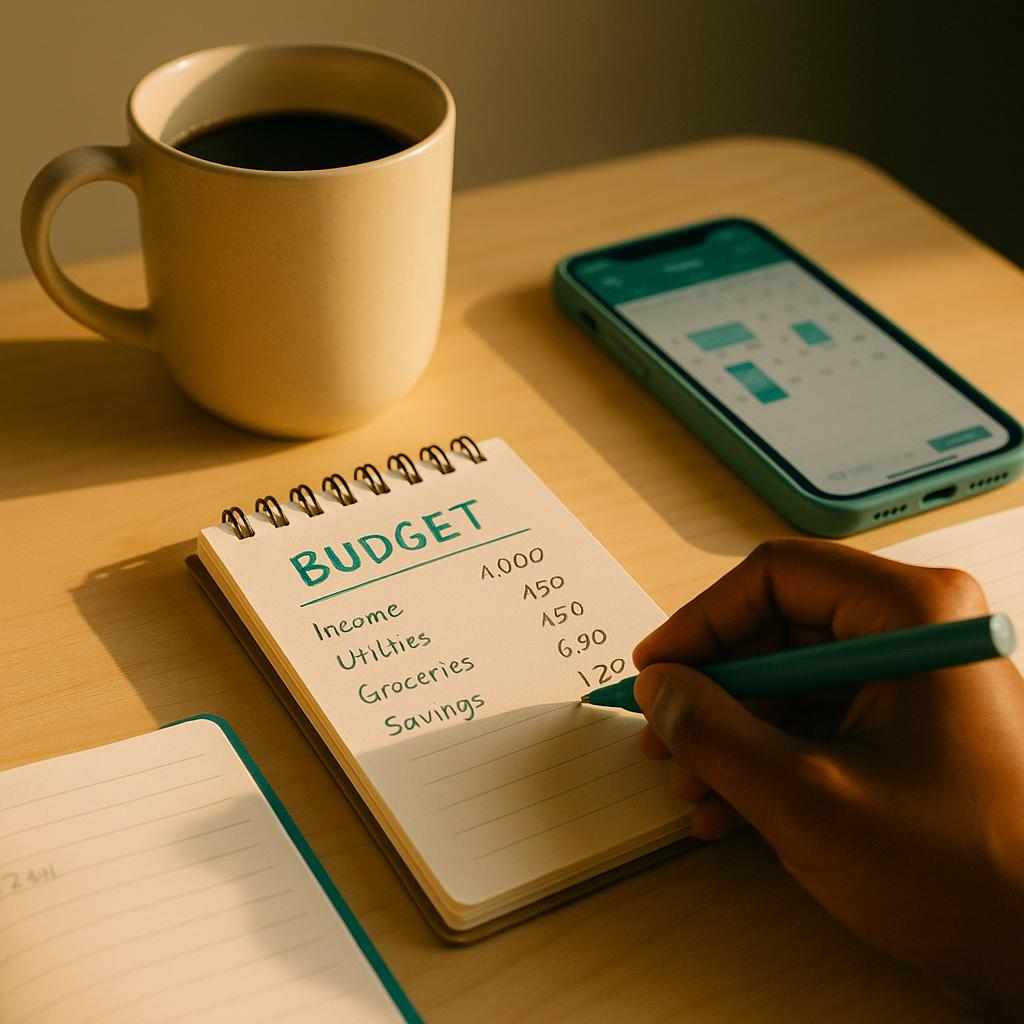
Consider adopting a budgeting method that resonates with you. Some people prefer the 50/30/20 rule, where 50% of your income goes to needs, 30% to wants, and 20% to savings. Others find success with zero-based budgeting, where every dollar is assigned a purpose. These methods provide a framework that can guide your financial decisions and help you maintain control over your spending.
Remember, small changes can lead to big results. If you usually buy lunch every day, try bringing it from home a few times a week. These small adjustments can add up over time, helping you reach your financial milestones. For instance, saving $10 a day by bringing lunch could add up to $200 a month, which you could redirect towards your savings or debt repayment. By making conscious choices, you can gradually shift your spending habits in a way that supports your financial health.
What specific expenses should you track?
By keeping tabs on these expenses, you'll gain better control over your finances. This practice can also help you identify areas where you might want to cut back or allocate funds differently. Tracking your spending isn't just about accountability; it's about gaining insights into your financial behavior that can inform your future decisions.
Start by focusing on categories that often lead to overspending. Dining out, for instance, can be a significant expense if not monitored. Similarly, subscriptions for services you rarely use can drain your finances without you realizing it. By tracking these, you can identify unnecessary expenditures and make informed decisions about where to cut back.
- Dining Out: Meals and drinks can add up quickly. Track these to see if they align with your budget.
- Subscriptions: Monthly services can sneak up on you. Review and cancel what you don't use.
- Impulse Buys: Note these to understand triggers and avoid unnecessary purchases.
- Groceries: Stick to a list to avoid overspending on unplanned items.
- Utilities: Monitor these to ensure you're not wasting energy and money.
How can community spending impact your financial literacy?
Community spending habits can significantly affect your financial literacy and awareness. When a city's economy is impacted by collective spending behaviors, it often leads to increased discussions around money management and financial education. These discussions can be a valuable resource for individuals looking to improve their financial literacy and make more informed decisions.
For instance, as highlighted by the Jamaica Gleaner, investment firms are stepping up to promote financial literacy. These initiatives can provide valuable resources and workshops that help individuals make informed decisions. By engaging with these resources, you can gain a deeper understanding of personal finance and how to manage your money effectively.
Engaging with these resources can empower you to make smarter financial choices. Whether it's attending a local workshop or participating in online forums, these opportunities can enhance your understanding of personal finance and help you adapt to changing economic conditions. By staying informed and proactive, you can better navigate the financial landscape of your community and ensure that your personal finances remain healthy and robust.
Track expenses in seconds on WhatsApp
POQT automatically categorizes everything for you.
Start on WhatsApp
No app to download. Text, voice note, or receipt photo, money tracking where you already chat.
Try POQT free