How Social Media Influencers Affect Your Spending Habits
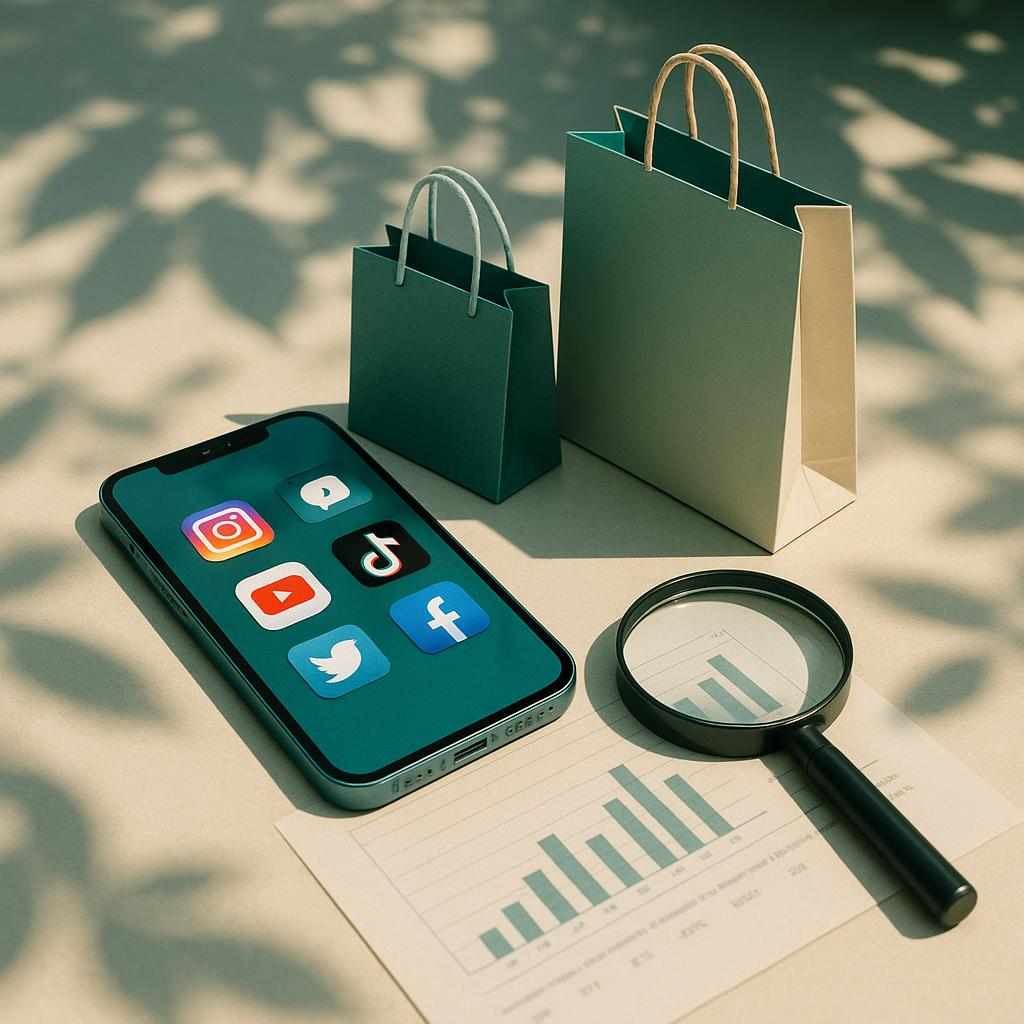
It's easy to think that social media influencers are just entertaining personalities, sharing their favorite products and experiences. Many of us assume that their recommendations are harmless background noise, something we can choose to ignore. After all, who hasn't scrolled past a perfectly curated breakfast bowl or a new skincare routine without a second thought? We believe we're in control, that we're immune to the constant stream of curated content.
What people assume
What We Assume About Social Media Influence
But here's the thing: influencers are masters of their craft. They know how to weave products into a narrative that feels genuine and relatable. This isn't about blatant advertising; it's about subtle persuasion. The assumption is that we can enjoy social media without it affecting our wallets. Yet, beneath the surface, these influencers are shaping our desires and, ultimately, our spending habits. It's not just about what we buy, but how we think about money and consumption.
Moreover, influencers often come across as friends sharing personal recommendations rather than advertisers pushing a sale. This perceived authenticity can make us trust their suggestions more than traditional ads. We assume that because we follow them by choice, we have control over how much they influence us. However, the reality is that their influence can be more profound than we realize, subtly nudging us toward purchases that we might not have considered otherwise.
What is actually going on
The Reality of Influencer Impact on Spending
Recent reports from Yahoo and Global News highlight how influencers are having a significant impact on people's spending habits. They create a sense of urgency and exclusivity around products, leading to impulse buys and the fear of missing out. This is particularly evident in sectors like fashion, beauty, and tech, where trends move fast and influencers set the pace.
Influencers often partner with brands to promote products, earning commissions or fees. This symbiotic relationship means that their recommendations are not always as unbiased as they appear. The result? Followers end up spending more than they planned, sometimes on things they didn't even know they wanted. It's a cycle that can disrupt cash flow and complicate budgeting. Recognizing this dynamic is the first step toward understanding how these digital endorsements can affect our financial health.
Additionally, the psychological tactics employed by influencers are subtle yet powerful. They often use language that implies scarcity or exclusivity, making followers feel like they must act quickly to secure a deal. This fear of missing out (FOMO) is a potent driver of consumer behavior, leading to purchases that are more impulsive than intentional. Understanding these tactics can help us recognize when we're being nudged toward spending money we hadn't planned on.
Beyond the immediate financial impact, there is also a broader cultural shift toward valuing material possessions and experiences that are 'Instagram-worthy.' This can create a cycle of consumption where the pursuit of the perfect post leads to overspending and financial stress. Recognizing the broader cultural influences at play can help individuals take a step back and assess whether their spending habits align with their long-term financial goals.
What tracking changes
What Changes When You Start Logging Your Spending
When you begin to notice and log your spending patterns, especially those influenced by social media, a new awareness emerges. You might be surprised to see how often a scroll through Instagram leads to a purchase. Logging these expenses in WhatsApp can make them more tangible, helping you see the connection between online influences and real-world spending.
This isn't about cutting out social media or influencers entirely. It's about being mindful of how their content affects your financial decisions. By tracking your spending, you can identify patterns and triggers, making it easier to set boundaries and stick to a budget. Tools like POQT allow you to log expenses by voice note, making it quick and easy to keep tabs on your spending habits. This can empower you to make more intentional choices, aligning your purchases with your true needs and goals.
Furthermore, logging your spending can reveal the emotional triggers that lead to purchases. Perhaps you notice that you tend to buy more when you're feeling stressed or bored, or that certain influencers consistently encourage you to spend beyond your means. By identifying these patterns, you can start to develop strategies to counteract them, such as setting stricter limits on your discretionary spending or finding healthier ways to cope with emotions that might otherwise lead to shopping.
As you continue to log your spending, you might also find opportunities to celebrate small victories, like resisting an impulse buy or choosing a more budget-friendly option. These moments of mindfulness can build confidence in your ability to manage your finances, reducing the stress and anxiety that often accompany financial decision-making. Over time, this practice can transform your relationship with money, helping you to prioritize meaningful experiences and investments over fleeting consumer desires.
Try this
Small Experiments to Regain Control
Trying these experiments can illuminate the subtle ways influencers affect your spending. For instance, by setting a waiting period, you give yourself time to evaluate whether a purchase is truly necessary or just an impulse driven by a momentary desire. This pause can prevent regretful spending and help you prioritize long-term goals over short-term gratification.
Additionally, engaging with content that supports your financial aspirations can shift your mindset from consumerism to mindful spending. By curating your social media feed to include more educational and inspiring content, you can reinforce positive habits and diminish the impact of influencers who might otherwise sway your spending in less desirable directions.
Experimenting with these strategies can also provide insights into your personal spending triggers and help you develop more resilient financial habits. For example, you might discover that certain times of day or specific emotional states make you more susceptible to influencer-driven purchases. Armed with this knowledge, you can take proactive steps to mitigate these influences, such as setting reminders to review your budget before making a purchase or practicing mindfulness techniques to manage stress and impulsivity.
- Mute or unfollow influencers who frequently prompt impulse buys.
- Set a waiting period for purchases inspired by social media, like 24 or 48 hours.
- Create a separate budget category for social media-influenced purchases.
- Use WhatsApp to log any purchase motivated by an influencer to see the impact over time.
- Engage with content that aligns with your financial goals, like budgeting tips or minimalist living.
- Reflect on your spending at the end of each week to assess whether your purchases align with your values and financial goals.
Track expenses in seconds on WhatsApp
POQT automatically categorizes everything for you.
Start on WhatsApp
No app to download. Text, voice note, or receipt photo, money tracking where you already chat.
Try POQT free