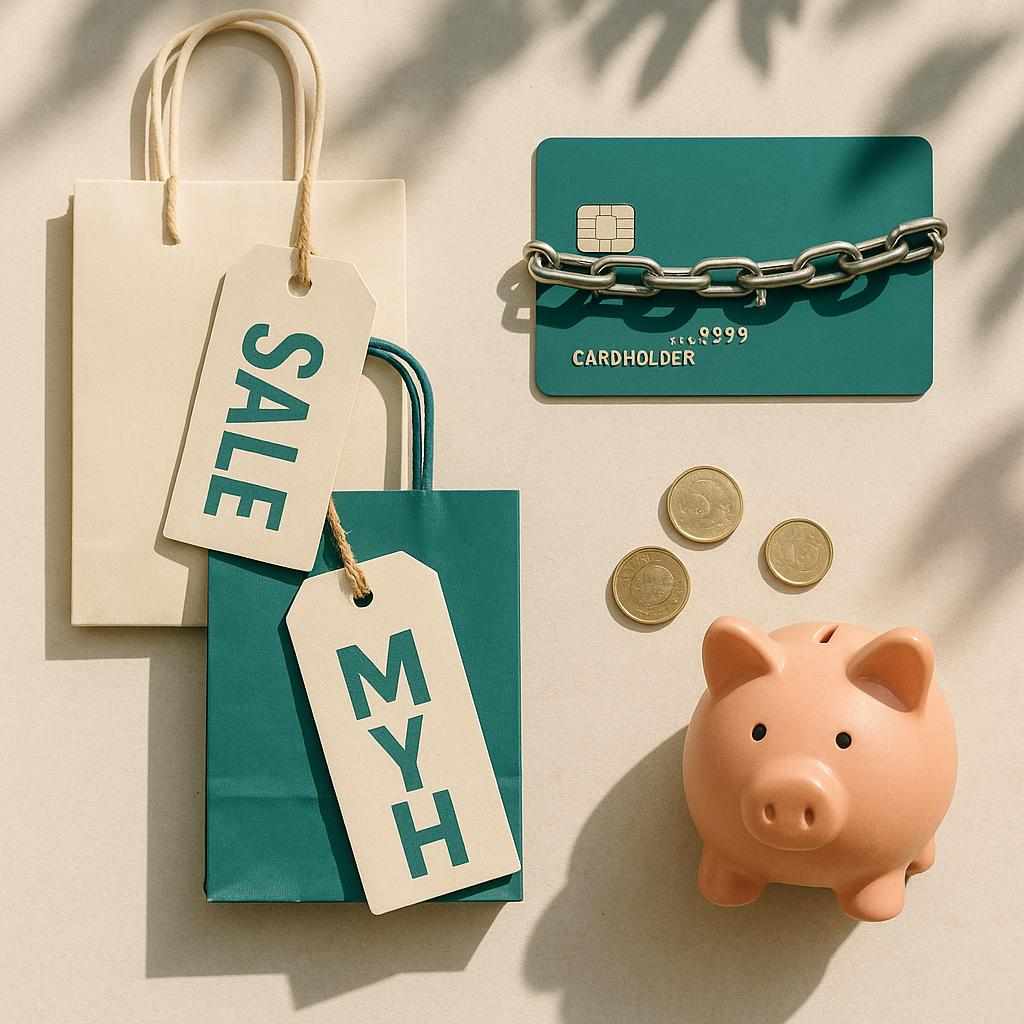
Who doesn’t love a good sale? It’s tempting to think that buying items at a discount is a foolproof way to save money. After all, isn’t spending less on something better than paying full price? The thrill of snagging a deal can be irresistible, making us feel savvy and economical.
Myth
Sales Save You Money
The truth is, sales often lead us to purchase things we don’t need. The allure of a discount can cloud our judgment, making us believe we’re saving money when we’re actually spending more. If you’re buying something just because it’s on sale and not because you need it, you’re likely not saving at all. This is especially true when sales tactics like 'buy one, get one free' or 'limited time offer' are designed to create a sense of urgency, pushing you to make hasty decisions.
Truth
Intentional Spending Beats Impulse Buys
Instead of succumbing to the thrill of a sale, focus on intentional spending. This means making purchases based on necessity and value rather than price alone. Create a list of what you genuinely need and stick to it. By planning your purchases, you can avoid the temptation of impulse buys that often accompany sales events.
Think about the long-term benefits of each purchase. Does it add value to your life? Will it contribute positively to your financial goals? For instance, investing in a durable pair of shoes that you will wear regularly is more beneficial than buying several pairs on sale that might not last as long. By being mindful of your spending, you can avoid the trap of unnecessary purchases and instead focus on acquiring things that truly matter.
Moreover, consider setting a waiting period before making a purchase. If you still want the item after a few days, it’s more likely to be a thoughtful decision rather than an impulse buy. This practice can help you differentiate between wanting something and actually needing it, thereby fostering a more disciplined approach to spending.
Myth
Credit Cards Are Free Money
Credit cards can feel like a financial safety net, offering the flexibility to buy now and pay later. It’s easy to think of them as a convenient way to access money without immediate consequences. The allure of spending without seeing an immediate impact on your bank balance can make credit cards seem like an endless source of funds.
However, treating credit cards as free money can lead to mounting debt. Interest rates and late fees can quickly add up, making it harder to pay off balances and save money. The minimum payment trap is another pitfall; paying only the minimum due can extend your debt over years, accumulating more interest than you might anticipate. Using credit responsibly means understanding it’s borrowed money that needs to be repaid, ideally before interest kicks in.
Truth
Smart Credit Use Builds Financial Health
Instead of seeing credit cards as free money, view them as tools for building credit and managing cash flow. Pay off your balance in full each month to avoid interest charges. This practice not only saves money but also helps boost your credit score, which can be beneficial for future financial needs like loans or mortgages.
Utilize credit card rewards programs to your advantage, but only if you’re already planning to make those purchases. This way, you can earn rewards without overspending. For example, if your card offers cashback or points for groceries, use it for your regular shopping trips and pay off the balance immediately. This approach maximizes the benefits of credit without falling into debt.
Set a personal limit on credit card usage that aligns with your budget, ensuring you’re able to pay off the balance each month. This might mean using your credit card only for specific categories, such as fuel or utilities, while paying cash for other expenses. By doing so, you maintain control over your spending and avoid the stress of overwhelming credit card bills.
Myth
Saving Is Only for Big Earners
There’s a common belief that saving money is only feasible for those with high incomes. If you’re not earning a lot, you might feel like saving is out of reach. This misconception can discourage many from even attempting to save, believing that their efforts won't make a significant impact.
In reality, saving is possible at any income level. It’s about creating a habit of setting aside a portion of what you earn, no matter how small. Consistent saving, even in small amounts, can grow over time. The key is to start somewhere, even if it's just a few dollars a week. Over time, these small contributions can accumulate into a substantial fund, providing a financial cushion for emergencies or future goals.
Start with a realistic goal, like saving a small percentage of your income each month. Gradually increase this amount as you find ways to cut unnecessary expenses. For instance, brewing your coffee at home instead of buying it daily can save a significant amount over a year. These small adjustments can free up funds that can be redirected into savings.
Truth
Small Steps Lead to Big Savings
Building a savings habit is about taking small, manageable steps. Here are a few ways to get started:
Remember, the journey to financial health is a marathon, not a sprint. Celebrate each small victory along the way to keep your motivation high. By focusing on incremental changes, you can gradually build a robust savings habit that supports your financial well-being.
- Set up automatic transfers to your savings account each payday.
- Use a WhatsApp-native tool like POQT to track expenses by voice note and identify where you can cut back.
- Celebrate small savings milestones to keep motivated.
Track expenses in seconds on WhatsApp
POQT automatically categorizes everything for you.
Start on WhatsApp
No app to download. Text, voice note, or receipt photo, money tracking where you already chat.
Try POQT free